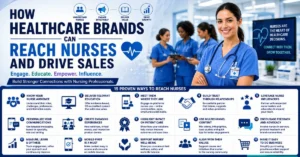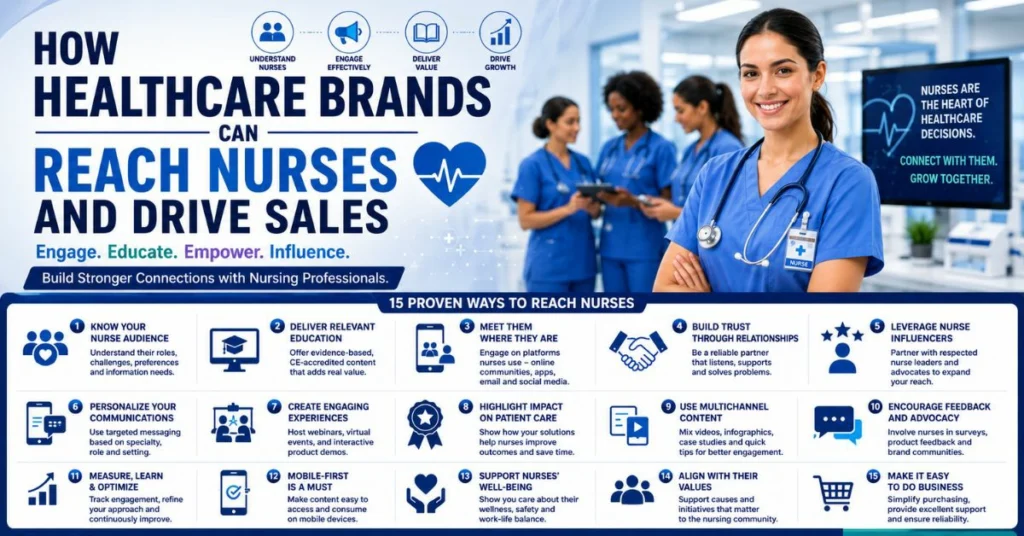
Nurses play a critical role in the healthcare ecosystem. As frontline professionals who interact with patients, medical devices, healthcare technologies, pharmaceuticals, and clinical services daily, nurses significantly influence purchasing decisions and product adoption within healthcare organizations.
For healthcare marketers, reaching this audience effectively requires a strategic approach. Many organizations use a Registered Nurses Email List to connect with nursing professionals, share educational resources, promote healthcare solutions, and generate qualified business opportunities.
Whether you market medical devices, healthcare software, continuing education programs, staffing services, insurance products, or healthcare technologies, understanding how to engage nurses can help increase brand awareness and drive long-term sales growth.
In this guide, we’ll explore proven strategies healthcare brands can use to reach nurses, build trust, and improve marketing results.
Why Nurses Are an Important Audience for Healthcare Brands
Nurses are among the most influential healthcare professionals in patient care environments. They work directly with medical equipment, coordinate treatment plans, educate patients, and often provide valuable input regarding products and services used within healthcare settings.
Healthcare organizations increasingly rely on nurses for:
- Product evaluations
- Clinical feedback
- Technology adoption
- Patient education
- Workflow optimization
- Care coordination
As a result, nurses often influence purchasing recommendations even when they are not the final decision-makers.
For healthcare brands, building relationships with nurses can create opportunities for increased visibility, stronger credibility, and improved sales performance.
Understanding the Nursing Market
Before launching marketing campaigns, healthcare organizations should understand the diversity of the nursing workforce.
The U.S. nursing community includes:
- Registered Nurses (RNs)
- Nurse Practitioners (NPs)
- Licensed Practical Nurses (LPNs)
- Clinical Nurse Specialists
- Nurse Educators
- Nurse Managers
- Nurse Executives
Each segment has unique needs, responsibilities, and purchasing influences.
For example:
- Nurse practitioners may evaluate clinical tools and healthcare technologies.
- Nurse educators often seek training resources and educational content.
- Nurse managers may influence staffing and operational decisions.
- Registered nurses frequently interact with products used in everyday patient care.
Understanding these distinctions allows healthcare marketers to create more targeted campaigns.
Key Marketing Channels to Reach Nurses
Healthcare brands can leverage multiple channels to engage nursing professionals.
Marketing Channel Comparison
| Marketing Channel | Primary Goal | Benefits |
| Email Marketing | Lead Generation | Direct communication and high ROI |
| Social Media | Brand Awareness | Large professional audience reach |
| Content Marketing | Education | Builds trust and authority |
| Webinars | Engagement | Interactive learning opportunities |
| Events & Conferences | Networking | Face-to-face relationship building |
| Professional Publications | Visibility | Highly targeted exposure |
| Online Communities | Engagement | Direct interaction with nurses |
Using a combination of these channels often produces the strongest results.
Create Valuable Educational Content
Nurses constantly seek information that helps them improve patient care, enhance clinical knowledge, and stay informed about industry developments.
Educational content remains one of the most effective ways to attract nursing audiences.
Examples include:
- Clinical guides
- Industry reports
- White papers
- Case studies
- Best-practice resources
- Continuing education materials
- Patient care insights
Healthcare brands that focus on education rather than direct promotion often build stronger trust with nursing professionals.
Content Topics Nurses Find Valuable
Popular content themes include:
- Patient safety
- Clinical workflow efficiency
- Healthcare technology
- Infection prevention
- Telehealth solutions
- Professional development
- Burnout prevention
- Healthcare leadership
Providing practical information helps establish credibility and encourages engagement.
Use Email Marketing Effectively
Email marketing remains one of the highest-performing channels in healthcare marketing.
A targeted nursing audience allows brands to deliver relevant content directly to healthcare professionals.
Successful campaigns often include:
- Educational newsletters
- Product updates
- Webinar invitations
- Industry research
- Continuing education opportunities
- Clinical insights
The key is to focus on delivering value rather than simply promoting products.
Best Practices for Nurse Email Campaigns
- Personalize communication.
- Use clear subject lines.
- Segment audiences by specialty.
- Provide educational value.
- Optimize for mobile devices.
- Include strong calls to action.
Consistent communication can help healthcare brands remain top of mind when purchasing decisions occur.
Build a Strong LinkedIn Presence
LinkedIn has become one of the most important professional networking platforms for healthcare audiences.
Many nurses use LinkedIn to:
- Follow healthcare trends
- Explore career opportunities
- Connect with peers
- Learn about new technologies
- Engage with industry leaders
Healthcare brands can increase visibility by publishing:
- Industry insights
- Success stories
- Educational videos
- Clinical research summaries
- Infographics
- Thought leadership articles
Regular posting can significantly improve brand awareness among nursing professionals.
Host Webinars and Virtual Events
Educational webinars provide an effective way to engage nurses while demonstrating expertise.
Successful webinar topics may include:
- Clinical best practices
- Healthcare innovation
- Emerging technologies
- Patient outcomes
- Nursing leadership
- Workforce trends
Benefits of webinars include:
- Real-time interaction
- Audience engagement
- Lead generation
- Thought leadership positioning
Providing downloadable resources after the event can further increase engagement.
Leverage Social Media Platforms
Healthcare brands should maintain an active presence across relevant social media channels.
Popular platforms include:
Ideal for professional engagement and B2B healthcare marketing.
Useful for community engagement and event promotion.
Effective for visual storytelling and brand awareness.
YouTube
Supports educational video content and product demonstrations.
Consistent content publishing helps maintain audience visibility and encourages interaction.
Partner with Nursing Associations
Professional nursing associations provide valuable opportunities for healthcare brands.
Partnership activities may include:
- Sponsorships
- Educational programs
- Event participation
- Research initiatives
- Content collaborations
Because nurses have faith in reputable professional associations, association partnerships frequently increase brand credibility.
These relationships can significantly expand audience reach.
Attend Nursing Conferences and Events
Industry conferences remain one of the most effective ways to build direct relationships with healthcare professionals.
Benefits include:
- Face-to-face networking
- Product demonstrations
- Lead generation
- Brand exposure
- Market research opportunities
Healthcare brands should focus on creating engaging experiences rather than simply distributing promotional materials.
Interactive booths, educational sessions, and live demonstrations often attract greater attention.
Use Testimonials and Case Studies
Nurses trust recommendations from peers who have firsthand experience with products and services.
Case studies help healthcare brands demonstrate:
- Real-world results
- Clinical effectiveness
- Workflow improvements
- Patient outcome enhancements
Strong case studies often include:
- Challenges faced
- Solutions implemented
- Measurable outcomes
- Nurse feedback
Authentic success stories can significantly influence buying decisions.
Invest in Healthcare SEO
Search engine optimization helps healthcare brands attract nurses actively searching for information online.
Key nursing-related keywords may include:
- Nursing education resources
- Continuing education for nurses
- Healthcare technology for nurses
- Nursing leadership strategies
- Clinical workflow solutions
SEO-friendly content improves visibility and drives organic traffic over time.
SEO Content Formats
Effective content formats include:
- Blog posts
- Guides
- Resource centers
- FAQs
- Research reports
- Industry trend analyses
Long-form educational content often performs especially well in healthcare search results.
Personalize Marketing Campaigns
Generic marketing messages rarely resonate with healthcare professionals.
Nurses work in diverse specialties and settings, making personalization essential.
Healthcare marketers can personalize campaigns based on:
- Specialty
- Geographic location
- Facility type
- Career stage
- Professional interests
Targeted messaging improves relevance and increases engagement rates.
Focus on Trust and Credibility
Healthcare purchasing decisions are often based on trust.
Nurses evaluate products based on:
- Clinical effectiveness
- Patient outcomes
- Ease of use
- Evidence-based results
- Regulatory compliance
Healthcare brands should emphasize:
- Research-backed claims
- Expert insights
- Clinical data
- Industry certifications
Transparency helps establish long-term credibility.
Measure Marketing Performance
Tracking results allows healthcare organizations to optimize future campaigns.
Important metrics include:
Email Metrics
- Open rates
- Click-through rates
- Conversion rates
Content Metrics
- Website traffic
- Time on page
- Downloads
Social Media Metrics
- Engagement rates
- Follower growth
- Content shares
Lead Generation Metrics
- Qualified leads
- Sales opportunities
- Customer acquisition costs
Continuous measurement supports ongoing improvement.
Common Mistakes Healthcare Brands Should Avoid
Many organizations struggle to connect with nursing audiences because they focus too heavily on promotion.
Common mistakes include:
- Overly sales-focused messaging
- Lack of educational content
- Poor audience segmentation
- Inconsistent communication
- Generic campaigns
- Ignoring mobile optimization
Healthcare brands that prioritize value and relevance typically achieve better outcomes.
Future Trends in Nurse Marketing
The healthcare marketing landscape continues evolving.
Emerging trends include:
- AI-powered personalization
- Virtual learning platforms
- Interactive content
- Video-first marketing
- Community-based engagement
- Data-driven campaign optimization
Brands that adapt to these trends can improve audience engagement and maintain competitive advantages.
Conclusion
Nurses represent one of the most influential audiences within healthcare. Their involvement in patient care, technology adoption, product evaluation, and operational decision-making makes them a valuable target for healthcare marketers seeking sustainable business growth.
Healthcare brands can successfully reach nurses by combining educational content, email marketing, social media engagement, webinars, professional partnerships, and SEO-driven strategies. Building trust, providing meaningful value, and understanding the unique needs of nursing professionals are essential for long-term success.
Organizations that invest in targeted outreach and relationship-building efforts often generate stronger engagement, higher-quality leads, and improved sales performance. For companies looking to connect with nursing professionals at scale, a well-maintained Registered Nurses Mailing List can support more effective marketing campaigns and business development initiatives.