Skip to main content
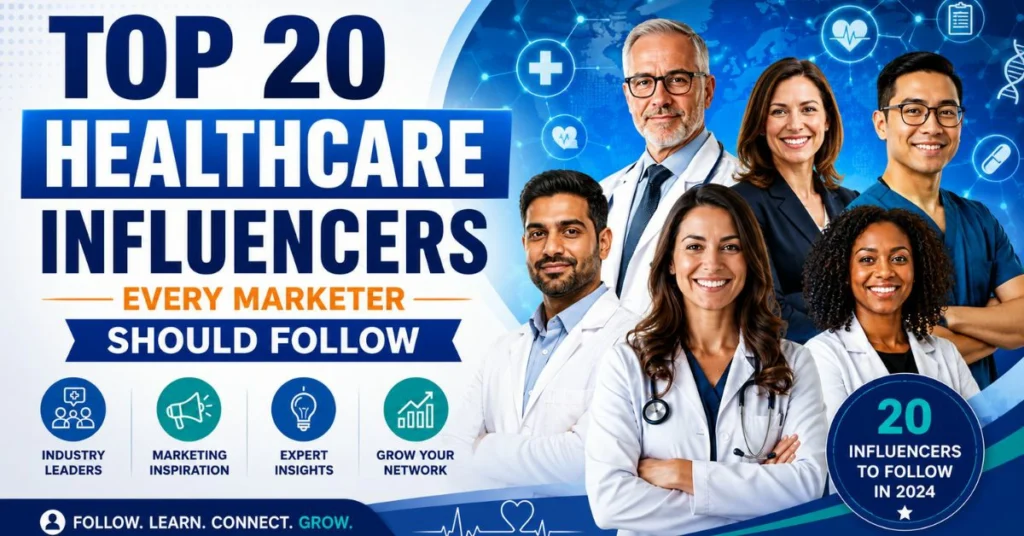
Healthcare influencers have become one of the most powerful forces shaping how patients, healthcare professionals, and organizations consume medical information online. From trusted physicians and nurses to healthcare entrepreneurs and public health advocates, these experts educate millions through social media, podcasts, blogs, and video platforms.
For healthcare marketers, understanding who audiences already trust is essential for creating effective campaigns, strategic partnerships, and meaningful engagement. A well-targeted Physicians Email List can further strengthen outreach by connecting brands with verified medical professionals alongside influencer-led initiatives. In this guide, you’ll discover the top 20 healthcare influencers to follow in 2026, what sets them apart, and how their expertise can help marketers build credibility, expand reach, and drive better results in an increasingly digital healthcare landscape.
Why Healthcare Influencers Matter to Marketers
Health content is one of the most searched, shared, and trusted categories on social media. A large share of social media users who look up health information regularly follow or engage with health influencers, and that engagement skews heavily toward younger audiences who increasingly treat social platforms as a first stop for health questions. For marketers, that change has significant ramifications. Traditional healthcare advertising, built on institutional messaging and top-down campaigns, is losing ground to creators who explain conditions, treatments, and wellness habits in plain, relatable language.
For brands in pharma, medical devices, hospital systems, insurance, and wellness products, healthcare influencers offer something traditional advertising cannot: credibility. A patient is far more likely to trust a licensed physician explaining a treatment on video than a polished ad from an unfamiliar brand. That is why influencer partnerships in this category increasingly favor healthcare professionals, meaning doctors, nurses, pharmacists, and other credentialed experts, over general lifestyle creators who happen to post about health.
How This List Was Built
This list focuses on healthcare influencers with a track record of consistent, credible content across platforms like YouTube, Instagram, TikTok, podcasts, and long-form blogs. The influencers below span several categories: practicing physicians who educate the public, researchers who translate complex science into digestible insights, television personalities with a medical background, and specialists who have built dedicated followings around a specific area of health. Marketers evaluating any of these names should still do their own due diligence on audience fit, current content focus, and brand alignment before starting a partnership.
The Top 20 Healthcare Influencers to Follow
- Dr. Eric Topol. A cardiologist and researcher, Topol has spent decades studying how genomics, digital tools, and artificial intelligence can personalize medicine. He founded the Scripps Research Translational Institute and has written several bestselling books on the future of healthcare. His commentary on AI in medicine, published through his newsletter and social channels, makes him one of the most credible voices for brands working at the intersection of health technology and patient care.
- Dr. Sanjay Gupta. As a practicing neurosurgeon and a longtime chief medical correspondent for a major cable news network, Gupta has one of the largest reaches of any physician in media. His reporting spans breaking health news, medical explainers, and long-form documentaries, making him a go-to voice for brands seeking mainstream credibility.
- Dr. Mehmet Oz. A cardiothoracic surgeon turned television personality, Oz built one of the largest media platforms in health and wellness over more than a decade of television programming. He continues to reach a large, primarily older audience through streaming appearances, wellness content, and health-focused media partnerships.
- Dr. Phil McGraw. Known widely as Dr. Phil, McGraw has built a media brand centered on mental health, family dynamics, and behavioral issues. His programming and clips continue to generate large audiences across YouTube, TikTok, and traditional broadcast, making him relevant to brands in the mental health and family wellness space.
- Dr. Peter Attia. A physician focused on longevity and preventive medicine, Attia has built a devoted following through his podcast and writing, which dig deeply into topics like metabolic health, exercise science, and personalized approaches to extending healthspan. His audience skews highly engaged and research-literate, making him a strong fit for brands in longevity, diagnostics, and preventive health.
- Kevin Pho, MD. Pho founded KevinMD.com, one of the longest-running physician blogging platforms, and has built a substantial following across social platforms and traditional media. He is frequently cited as a voice on physician burnout, healthcare policy, and the patient experience, making him valuable for brands trying to reach both physicians and health-conscious consumers.
- Doctor Mike (Mikhail Varshavski). A practicing family medicine physician, Doctor Mike built one of the largest physician audiences on YouTube by combining medical education with an approachable, high-production content style. He frequently addresses medical myths and interviews other experts, making him a strong partner for brands focused on health literacy and misinformation.
- Dr. Zubin Damania (ZDoggMD). Damania left a traditional hospital medicine career to build a media brand blending healthcare commentary, satire, and music. His content resonates strongly with clinicians as well as general audiences frustrated with the healthcare system, making him a distinctive voice for brands focused on healthcare reform or provider-facing products.
- Dr. Esther Choo. An emergency medicine physician, Choo has built a strong following through her commentary on health equity, gender and racial disparities in medicine, and health policy. She is a frequently cited media voice on issues affecting access to care, making her relevant for brands focused on equity-driven healthcare initiatives.
- Dr. Rhonda Patrick. A biomedical scientist, Patrick built FoundMyFitness into a leading platform covering nutrition science, aging, and preventive health. Her deeply researched, citation-heavy content style appeals to a highly engaged audience that values scientific rigor, making her a strong fit for supplement, nutrition, and longevity brands.
- Dr. Andrew Huberman. A neuroscientist and professor, Huberman built one of the largest health and science podcasts by translating neuroscience and physiology research into practical, actionable protocols. His audience spans general wellness consumers as well as more technical, science-focused listeners.
- Dr. Sandra Lee (Dr. Pimple Popper). A board-certified dermatologist, Lee built a massive following through dermatology-focused video content, including her well-known procedural videos, alongside more general skin health education. Her brand has expanded into product partnerships, making her a proven fit for skincare and dermatology-adjacent marketing.
- Dr. Michael Greger. A physician and public health advocate, Greger built NutritionFacts.org into one of the most cited platforms for evidence-based nutrition content. His audience is especially engaged around plant-based nutrition and chronic disease prevention, making him relevant for food, nutrition, and preventive health brands.
- Dr. David Stoker. A Beverly Hills-based cosmetic surgeon, Stoker has built a strong social media presence around before-and-after procedure content and in-depth explainer videos, positioning him as a leading voice in the aesthetic and cosmetic surgery space.
- Dr. Rocio Salas-Whalen. An endocrinologist based in New York City, Salas-Whalen focuses her content on obesity, diabetes, and hormonal health, expanding into webinars and educational campaigns aimed at metabolic wellness. She is a strong fit for brands in the metabolic health and weight management categories.
- Dr. Julie Taylor. A functional medicine physician, Taylor’s content focuses on integrative approaches to hormonal imbalance and preventive wellness, appealing to audiences interested in a whole-body approach to health rather than a purely symptom-based model.
- Dr. Jen Esquer. A physical therapist, Esquer built a large following by educating audiences on mobility, injury prevention, and rehabilitation, making her a strong partner for brands in fitness, physical therapy, and movement-focused wellness products.
- Dr. Josh Axe. A doctor of natural medicine and nutrition, Axe has built a large platform around natural health remedies, nutrition, and wellness product education, with content spanning blog articles, video, and social media.
- Halle Tecco. As the founder of Rock Health and an educator at leading business and medical schools, Tecco is less of a traditional content creator and more of an industry voice, but her commentary and platform carry significant weight with healthcare investors, founders, and marketers trying to understand where digital health is headed.
- Glen Gilmore. While not exclusively a healthcare voice, Gilmore is a widely followed marketing and social media influencer whose commentary frequently touches on healthcare marketing trends, making him a useful follow for marketers specifically focused on the intersection of digital strategy and the health industry.
Top 20 Healthcare Influencers at a Glance
| no | Influencer | Primary Focus Area |
| 1 | Dr. Eric Topol | Digital medicine, AI in healthcare |
| 2 | Dr. Sanjay Gupta | General medical news, neurosurgery |
| 3 | Dr. Mehmet Oz | General wellness, TV media |
| 4 | Dr. Phil McGraw | Mental health, family dynamics |
| 5 | Dr. Peter Attia | Longevity, preventive medicine |
| 6 | Kevin Pho, MD | Physician voice, healthcare policy |
| 7 | Doctor Mike | Family medicine education |
| 8 | Dr. Zubin Damania | Healthcare commentary, satire |
| 9 | Dr. Esther Choo | Health equity, emergency medicine |
| 10 | Dr. Rhonda Patrick | Nutrition science, aging |
| 11 | Dr. Andrew Huberman | Neuroscience, wellness protocols |
| 12 | Dr. Sandra Lee | Dermatology |
| 13 | Dr. Michael Greger | Nutrition, chronic disease prevention |
| 14 | Dr. David Stoker | Cosmetic surgery |
| 15 | Dr. Rocio Salas-Whalen | Endocrinology, metabolic health |
| 16 | Dr. Julie Taylor | Functional medicine |
| 17 | Dr. Jen Esquer | Physical therapy, mobility |
| 18 | Dr. Josh Axe | Natural medicine, nutrition |
| 19 | Halle Tecco | Digital health industry insight |
| 20 | Glen Gilmore | Healthcare marketing commentary |
What Sets the Best Healthcare Influencers Apart
Not every large following translates into marketing value, especially in a category as sensitive as healthcare. The influencers who consistently earn trust, and who make the safest long-term partners for brands, tend to share a few traits.
Relevant credentials. In healthcare, expertise matters more than in almost any other content category. Influencers with an MD, RN, PharmD, DPT, or other recognized credential carry built-in credibility that general lifestyle creators cannot replicate, especially when the content touches on medications, procedures, or clinical guidance.
Consistency over virality. The strongest healthcare influencers post regularly and build depth over time, rather than chasing single viral moments. Audiences in this category tend to reward creators who show up reliably with accurate, useful information.
Transparency about sponsorships and limitations. Influencers who clearly disclose paid partnerships and are upfront about the limits of their expertise, for example, noting when a topic falls outside their specialty, tend to retain more audience trust over time than those who blur the line between education and promotion.
Engagement quality over follower count. Smaller, highly engaged audiences often convert better for healthcare brands than massive but passive followings. Nano and micro-influencers in the healthcare space, roughly those with 1,000 to 50,000 followers, frequently post meaningfully higher engagement rates than larger accounts, which can make them a more efficient investment for brands with a defined target audience.
How Marketers Can Work With Healthcare Influencers Responsibly
Healthcare is one of the most regulated advertising categories, and marketers need to treat influencer partnerships with the same scrutiny they would apply to any other regulated health communication.
Match the influencer to the product category. A prescription medication requires a completely different partner than an over-the-counter wellness product. Content involving prescription drugs, medical devices, or clinical claims should generally involve a licensed professional whose credentials match the subject matter, and every claim needs to align with official product labeling.
Build in compliance review from the start. Healthcare marketing compliance and legal review cycles tend to run longer than in other industries. Successful campaigns build extra time into their planning to review scripts, disclosures, and claims before content goes live, rather than treating compliance as an afterthought.
Prioritize disclosure. Every sponsored post involving a healthcare influencer needs clear, easily visible disclosure of the paid relationship. This is not just a best practice; it is a regulatory expectation that protects both the brand and the influencer from enforcement action.
Set outcome-based goals. Rather than chasing impressions or follower growth, the most effective healthcare influencer campaigns tie back to a specific, measurable outcome, such as appointment bookings, sign-ups, or qualified leads generated through influencer-driven traffic.
Common Mistakes Brands Make in Healthcare Influencer Marketing
Even well-funded healthcare marketing campaigns run into avoidable problems. A few mistakes come up repeatedly.
Choosing reach over relevance. A creator with millions of followers but no healthcare credibility can still drive traffic, but that traffic rarely converts as well as a smaller, more targeted partnership with a credentialed expert whose audience already trusts their medical guidance.
Skipping the credential check. Brands sometimes assume that anyone posting health content has done their homework. Before any partnership goes live, marketers should verify licensure and confirm the influencer’s expertise genuinely matches the product or condition being discussed.
Underestimating platform differences. A campaign built for long-form YouTube education does not automatically translate to TikTok or Instagram Reels. Each platform rewards a different content format, and healthcare influencers who excel on one platform may need a completely different approach on another.
Ignoring the enforcement environment. Regulatory scrutiny of health and pharma advertising, including influencer content, has been increasing rather than decreasing. Brands that treat influencer marketing as a loophole around traditional advertising rules risk regulatory action and reputational damage.
Building a Long-Term Healthcare Influencer Strategy
The brands that get the most value from healthcare influencer marketing tend to treat it as a long-term relationship rather than a one-off campaign. That usually means starting with a small number of well-vetted partnerships, measuring results against clear goals, and expanding gradually as specific influencers prove they can drive real outcomes for a specific audience segment.
It also means combining influencer marketing with other trusted outreach channels rather than relying on it exclusively. Many healthcare and life sciences organizations pair influencer campaigns with direct outreach to providers, using resources like a well-maintained Physician Mailing List to complement consumer-facing influencer content with more targeted professional communication. Used together, these channels can reach both the patients making healthcare decisions and the physicians who influence those decisions every day.
Conclusion
Healthcare influencer marketing has moved from an experimental tactic to a core part of how patients discover, evaluate, and trust health information online. The 20 influencers on this list represent a range of specialties, platforms, and audience types, but they share a common thread: credibility built through consistent, transparent, and expert-driven content. For marketers, the opportunity is not simply to chase the biggest names, but to find the right fit between an influencer’s expertise, audience, and content style and the specific health outcome a campaign is trying to drive. Paired with strong compliance practices and a broader outreach strategy that may include a curated Physician Mailing List, healthcare influencer partnerships can become one of the most trusted, effective tools in a marketer’s toolkit.