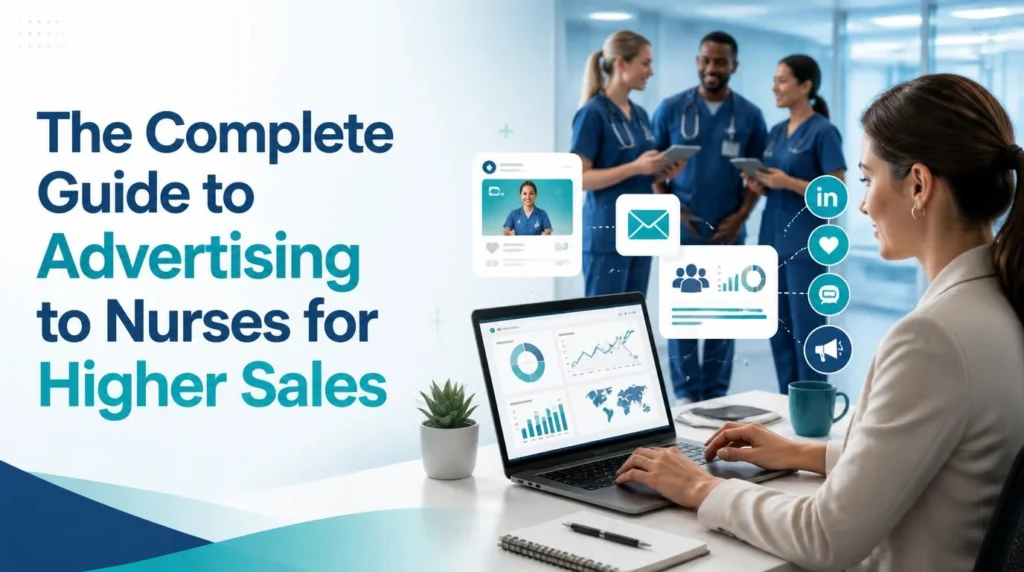
Advertising to nurses is an essential marketing strategy for organizations looking to engage nursing professionals with relevant, educational, and timely information. By utilizing a Nurses Email List, healthcare organizations, medical device manufacturers, pharmaceutical companies, healthcare technology providers, and educational institutions can deliver targeted communications that align with nurses’ specialties, professional responsibilities, and areas of interest. A well-planned outreach approach focuses on providing valuable content, fostering professional relationships, and supporting informed decision-making, helping organizations build trust while improving engagement and communication effectiveness.
Nurses represent one of the largest and most influential segments of the healthcare workforce. They play a central role in patient care, clinical decision-making, product evaluation, and healthcare operations across hospitals, clinics, long-term care facilities, ambulatory surgery centers, rehabilitation centers, and home healthcare organizations. As a result, organizations that effectively advertise to nurses can increase brand awareness, generate qualified leads, strengthen customer relationships, and support long-term business growth.
Unlike traditional mass marketing, advertising to nurses requires a thoughtful strategy that emphasizes educational value, credibility, personalization, and relevance. Nurses are busy healthcare professionals who evaluate information based on its usefulness, accuracy, and practical application in clinical settings. Whether promoting medical devices, healthcare software, continuing education programs, staffing solutions, pharmaceuticals, or professional events, organizations should focus on delivering meaningful content that addresses real-world challenges faced by nursing professionals.
This comprehensive guide explores the essential principles of advertising to nurses, including audience segmentation, content development, communication channels, personalization, campaign optimization, compliance considerations, emerging trends, and best practices for achieving higher sales while building lasting professional relationships.
Why Nurses Are an Important Audience
Nurses are often involved in patient education, product implementation, workflow improvements, and recommendations regarding clinical tools and technologies. Their daily interactions with patients and healthcare teams provide valuable insights that influence purchasing decisions and operational improvements.
For healthcare organizations, engaging nurses effectively offers several advantages:
- Increased brand visibility
- Stronger professional relationships
- Greater participation in educational programs
- Improved product awareness
- Better event attendance
- Enhanced lead generation
- Long-term customer loyalty
Because nurses work across diverse specialties and healthcare environments, targeted communication is essential for delivering relevant information.
Understanding the Nursing Audience
Successful advertising begins with understanding who nurses are and what information they value.
Nursing professionals work in numerous specialties, including:
- Critical care
- Emergency nursing
- Oncology
- Pediatrics
- Cardiology
- Orthopedics
- Mental health
- Surgical services
- Home healthcare
- Geriatric care
- Neonatal care
- Rehabilitation
- Infection prevention
Each specialty has unique priorities, making audience segmentation an essential component of any marketing strategy.
Benefits of Advertising to Nurses
A well-planned nurse-focused campaign can produce measurable business benefits.
Improved Audience Targeting
Segmentation helps organizations deliver content that aligns with professional responsibilities.
Higher Engagement
Relevant communications often receive stronger engagement than generic promotional messages.
Increased Educational Participation
Nurses frequently seek opportunities for professional development, certifications, webinars, and conferences.
Better Sales Opportunities
Educational marketing can create trust before introducing products or services.
Stronger Brand Recognition
Consistent communication helps organizations remain visible within the nursing community.
Building an Effective Advertising Strategy
An effective strategy combines research, accurate data, valuable content, and ongoing optimization.
Define Campaign Objectives
Examples include:
- Product awareness
- Webinar registrations
- Conference promotion
- Continuing education enrollment
- Software demonstrations
- Healthcare recruitment
- Brand positioning
Clear objectives make campaign measurement easier.
Segment Your Audience
Common segmentation criteria include:
- Specialty
- Geographic location
- Practice setting
- Experience level
- Job title
- Organization type
- Professional interests
Targeted messaging improves campaign relevance.
Creating Valuable Content
Educational content builds credibility and encourages engagement.
Useful content includes:
- Clinical best practices
- Industry reports
- Healthcare technology updates
- Patient care resources
- Regulatory updates
- Continuing education opportunities
- Product demonstrations
- Case studies
- Whitepapers
- Research summaries
Educational value should always outweigh promotional messaging.
Communication Channels
Organizations should combine multiple channels to maximize reach.
Email Marketing
Email remains an efficient way to share newsletters, educational resources, product updates, and event invitations.
Content Marketing
Blogs, downloadable guides, and resource centers establish thought leadership.
Webinars
Virtual educational events provide convenient learning opportunities.
Professional Conferences
Industry conferences enable networking and product demonstrations.
Social Media
Professional platforms allow organizations to share healthcare news and educational updates.
Personalization Matters
Personalized communication increases relevance.
Examples include:
- Specialty-specific content
- Regional event invitations
- Role-based educational resources
- Personalized recommendations
- Customized newsletters
Meaningful personalization strengthens engagement.
Importance of Data Quality
Reliable databases improve campaign success.
Organizations should maintain:
- Accurate names
- Current email addresses
- Updated specialties
- Organization information
- Geographic details
- Professional roles
Routine database maintenance reduces communication errors.
Marketing Automation
Automation helps organizations:
- Send welcome emails
- Schedule newsletters
- Deliver webinar reminders
- Share educational resources
- Follow up after events
- Nurture leads
Automation increases efficiency while supporting personalization.
Measuring Campaign Performance
Key metrics include:
- Email open rates
- Click-through rates
- Webinar registrations
- Event attendance
- Resource downloads
- Conversion rates
- Lead generation
- Engagement trends
Analyzing performance supports continuous improvement.
Compliance Considerations
Responsible marketing practices include:
- Respecting communication preferences
- Protecting contact information
- Maintaining secure databases
- Following applicable regulations
- Providing transparent communications
Compliance strengthens trust and credibility.
Common Challenges
Organizations may encounter:
- Information overload
- Outdated contact data
- Busy professional schedules
- Diverse communication preferences
- Increasing competition
These challenges can be addressed through targeted communication and ongoing optimization.
Emerging Trends
Healthcare marketing continues evolving through:
- Artificial intelligence
- Predictive analytics
- Marketing automation
- Interactive webinars
- Personalized content
- CRM integration
- Omnichannel communication
- Data-driven decision making
Organizations adopting these technologies can improve efficiency and engagement.
Best Practices
To maximize results:
- Understand your audience.
- Segment databases effectively.
- Deliver educational value.
- Personalize communications.
- Maintain accurate data.
- Monitor campaign performance.
- Optimize continuously.
- Build long-term relationships.
- Maintain ethical marketing standards.
- Invest in quality content.
Conclusion
Advertising to Nurses is a strategic approach that enables healthcare organizations to connect with nursing professionals through relevant, informative, and value-driven communication. Successful campaigns rely on audience segmentation, personalized messaging, educational content, and consistent engagement across multiple marketing channels. By maintaining accurate contact data, following ethical marketing practices, and measuring campaign performance, organizations can strengthen professional relationships while improving brand visibility and marketing outcomes. As the healthcare industry continues to evolve, businesses that focus on delivering meaningful information and addressing the unique needs of nurses will be better positioned to achieve sustainable growth and long-term success.
A reliable Nurses email list helps organizations reach the right nursing professionals with timely and targeted communications based on specialty, location, and professional interests. Combined with high-quality content, data accuracy, and continuous campaign optimization, it supports stronger engagement, increased conversions, and lasting value through a trusted Nurses Mailing List.