Skip to main content
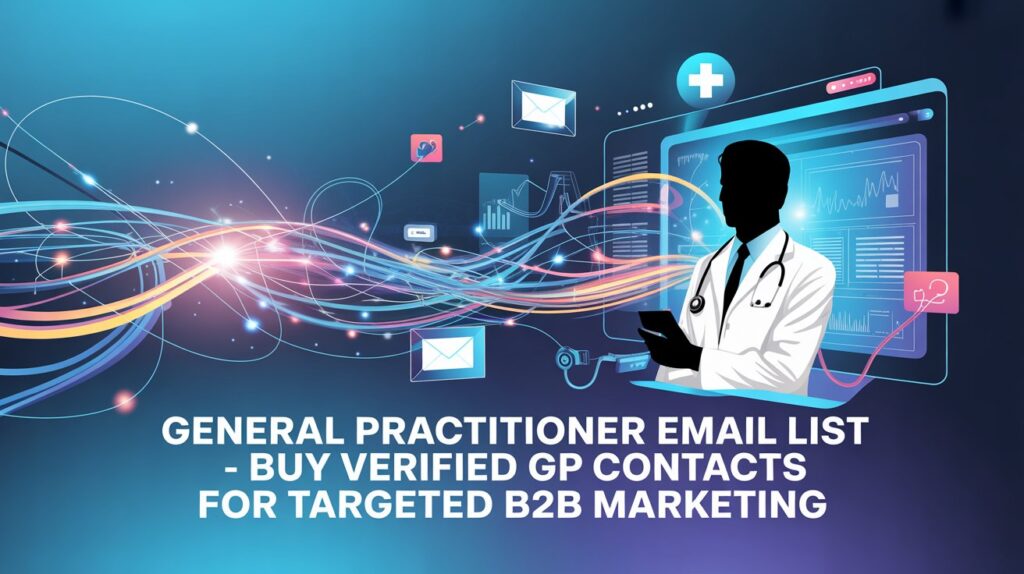
A General Practitioner Email List is an essential tool for businesses looking to connect with healthcare professionals in a targeted and efficient way. It provides access to verified GP contacts, enabling companies to run precise B2B marketing campaigns and improve lead generation outcomes. In today’s competitive healthcare market, industries such as pharmaceuticals, medical devices, healthcare SaaS, and insurance depend on accurate data to reach decision-makers. With a reliable email list, businesses can streamline communication, personalize outreach, and build strong professional relationships. This not only enhances engagement but also ensures better return on investment and long-term growth opportunities.
Understanding the Importance of General Practitioners
General Practitioners play a vital role in the healthcare system as they are often the first point of contact for patients. A physician diagnoses patients’ common illnesses, provides preventive care, and refers them to specialists whenever necessary. Because of their direct interaction with patients, GPs influence healthcare decisions, making them an important audience for businesses offering medical products and services.
For marketers, this means that connecting with GPs can open opportunities to promote relevant solutions, build trust, and establish long-term partnerships.
What is a General Practitioner Email List?
A General Practitioner Email List is a database that contains verified and organized contact information of general practitioners. This data allows businesses to directly reach healthcare professionals through email marketing and other communication channels.
Key Data Included in a GP Email List
| Field | Description |
| Name | Full name of the practitioner |
| Verified professional email address | |
| Phone | Direct contact number |
| Location | City, state, or region |
| Affiliation | Clinic or hospital details |
This structured information helps businesses segment their audience and deliver highly relevant marketing messages.
Benefits of Using a GP Email List
Targeted Marketing
A GP email list allows businesses to focus on a specific audience, ensuring that marketing efforts are directed toward professionals who are more likely to respond positively.
Improved Lead Quality
With verified contacts, businesses can reduce bounce rates and increase engagement, leading to higher-quality leads.
Cost-Effective Campaigns
Email marketing is more affordable compared to traditional marketing methods, while still delivering measurable and impactful results.
Faster Market Reach
Businesses can quickly enter new markets and promote their offerings without the need to build contacts from scratch.
Personalized Communication
Segmentation allows businesses to tailor messages based on location, experience, or specialization, improving response rates.
How to Use a General Practitioner Email List Effectively
Email Marketing Campaigns
Businesses can use GP email lists to send product updates, newsletters, and promotional offers directly to healthcare professionals.
Product Launch Promotions
Launching a new product becomes more effective when information is delivered directly to practitioners who may use or recommend it.
Content Marketing
Sharing valuable content such as blogs, whitepapers, and case studies helps establish authority and build trust.
Event Marketing
Promoting webinars, conferences, and training sessions to GPs increases participation and engagement.
Lead Nurturing
Automated email sequences help guide prospects through the decision-making process and convert them into customers.
Best Practices for Successful Campaigns
Maintain Data Accuracy
Always use updated and verified data to ensure high deliverability and better campaign performance.
Personalize Your Emails
Use the recipient’s name and tailor the content based on their interests or location.
Keep Content Clear and Relevant
Healthcare professionals prefer concise and informative communication.
Use Strong Call-to-Actions
Encourage recipients to take the next step, such as booking a demo or downloading a resource.
Follow Compliance Guidelines
Ensure that your email campaigns adhere to data protection and privacy regulations.
Challenges in Using GP Email Lists
One of the main challenges is maintaining data accuracy, as outdated information can impact campaign performance. Additionally, healthcare professionals receive a large number of emails daily, making it important to create engaging and valuable content. Compliance with data privacy regulations is another critical factor that businesses must consider to avoid legal issues.
By choosing a reliable provider and focusing on quality over quantity, these challenges can be effectively managed.
Industries That Benefit from GP Email Lists
Pharmaceutical companies use GP email lists to promote medications and treatments. Healthcare SaaS providers introduce digital tools that improve clinical operations. Medical device manufacturers showcase innovative products used in diagnostics and treatment. For healthcare professionals, insurance companies offer specialized policies. Wellness brands promote preventive care solutions that align with patient health needs.
Measuring Campaign Success
To evaluate the effectiveness of your marketing efforts, it is important to track key metrics such as open rates, click-through rates, conversion rates, and return on investment. Regular analysis helps businesses optimize their strategies and achieve better results over time.
Conclusion
A General Practitioner Email List is a powerful asset for businesses looking to enhance their healthcare marketing strategies. It enables targeted outreach, improves lead quality, and supports personalized communication with healthcare professionals. By using verified data and following best practices, companies can achieve higher engagement and better conversion rates. Investing in a reliable database not only saves time but also ensures long-term marketing success. Incorporating a General Practitioner mailing List into your strategy allows you to build strong connections, expand your reach, and achieve sustainable growth in the competitive healthcare industry.