Skip to main content
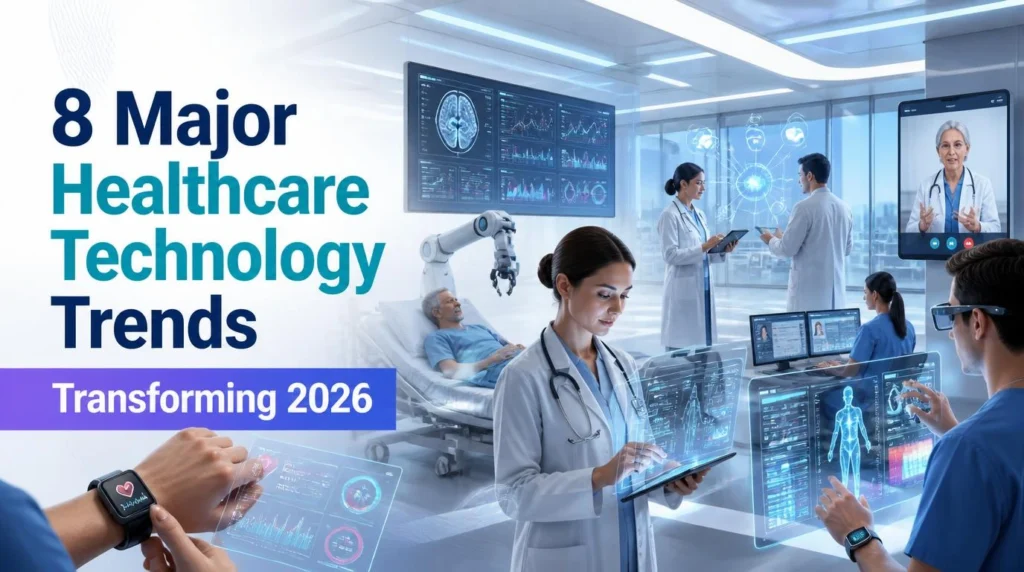
Healthcare Technology Trends are accelerating the transformation of modern medicine, with digital tools becoming more connected, accessible, and visible in everyday healthcare. Developments such as artificial intelligence, remote patient monitoring, connected medical devices, digital health platforms, and automated workflows are influencing how healthcare organizations deliver services and manage operations. For technology providers and healthcare marketers, understanding these developments can also help identify the needs of organizations evaluating new solutions. For consumers, these changes matter because technology increasingly influences appointment access, diagnostic processes, communication with providers, and ongoing care management.
A Medical and Healthcare Facilities Email List can help businesses communicate with healthcare organizations and decision-makers involved in evaluating technology, services, and operational solutions. This guide explores eight important healthcare technology developments expected to influence patient experiences and provider operations throughout 2026. The discussion is designed for a general audience and explains each trend in accessible language without requiring technical or clinical expertise, while highlighting how emerging technologies may affect healthcare delivery and organizational workflows.
1. Artificial Intelligence Moves from Pilot Programs to Daily Practice
For many years, artificial intelligence in healthcare was primarily limited to research projects and small-scale pilot initiatives. By 2026, however, AI-based technologies have become more integrated into everyday clinical practice. Diagnostic imaging solutions can now support radiologists by identifying areas of concern in X-rays, CT scans, and MRI studies, helping draw attention to findings that may be difficult to notice during a busy workday. At the same time, ambient AI documentation tools can capture patient-provider conversations and generate draft clinical notes, potentially reducing the time physicians spend completing documentation outside regular clinical hours.
Consumers are likely to notice this shift indirectly rather than directly — through shorter wait times for imaging results, more thorough documentation during visits, or faster triage in emergency settings. It is worth noting that AI tools in clinical settings are generally positioned as decision-support aids rather than replacements for physician judgment, with a licensed provider still responsible for final diagnosis and treatment decisions.
2. Remote Patient Monitoring Becomes Standard for Chronic Care
Remote patient monitoring (RPM) has expanded well beyond the wearable fitness trackers many consumers already use. Connected blood pressure cuffs, glucose monitors, and pulse oximeters now transmit data directly to care teams, allowing providers to track chronic conditions like diabetes, hypertension, and heart failure between in-person visits. This continuous data stream lets care teams intervene earlier when a patient’s readings trend in a concerning direction, rather than waiting for the next scheduled appointment.
For patients managing chronic conditions, this trend generally translates into fewer unnecessary office visits and faster response when something changes. Insurance reimbursement policies for RPM services have also expanded in recent years, making these programs more financially viable for healthcare facilities to offer at scale, which has accelerated adoption across both large hospital systems and smaller independent practices.
3. Telehealth Matures into Hybrid Care Models
Telehealth’s rapid expansion in the early 2020s has settled into a more structured, hybrid model by 2026. Rather than treating virtual visits as a stand-alone service, most healthcare facilities now integrate telehealth directly into a patient’s broader care plan — using video visits for follow-ups, medication management, and routine check-ins, while reserving in-person appointments for physical exams, procedures, and initial diagnoses that require hands-on evaluation.
This hybrid approach has also expanded access to specialists for patients in rural or underserved areas, who previously faced long drives or extended wait times to see providers in fields like endocrinology, psychiatry, or dermatology. Licensing agreements that allow providers to treat patients across state lines have continued to evolve as well, further shaping how widely telehealth services can be offered.
4. Interoperability and Data Sharing Finally Gain Traction
For years, one of healthcare’s most persistent frustrations has been the inability of different systems to share patient data smoothly. Electronic health record platforms built by different vendors have often operated as isolated silos, forcing patients to repeat their medical history at every new provider. Regulatory pushes toward standardized data-sharing frameworks have accelerated meaningful interoperability improvements heading into 2026, with more healthcare facilities adopting shared standards that allow records to move more freely between systems when a patient consents.
For consumers, this trend should translate into fewer repeated tests, more complete records available to specialists, and a smoother experience when switching providers or seeking a second opinion. Data privacy and consent management remain central concerns as interoperability expands, and healthcare facilities are investing accordingly in security infrastructure to protect patient information as it moves across more systems.
5. Cybersecurity Spending Emerges as a Key Operational Focus
As healthcare facilities digitize more of their operations, they have also become a more attractive target for cyberattacks, given the sensitivity and value of medical data. Ransomware incidents targeting hospitals and clinics have prompted a significant shift in how healthcare organizations budget for and prioritize cybersecurity, with many facilities now treating it as a core operational function rather than a secondary IT concern.
This shift includes stronger authentication requirements for staff accessing patient records, more rigorous vendor security reviews, and increased investment in monitoring systems designed to detect unusual network activity before it becomes a full breach. For patients, the practical effect is generally invisible during a typical visit, but it directly affects how safely their personal health information is stored and transmitted behind the scenes.
6. Personalized and Precision Medicine Expands Beyond Oncology
Precision medicine — treatment tailored to an individual’s genetic profile, lifestyle, and specific disease characteristics — has historically been most visible in cancer care, where genetic testing helps determine which therapies are likely to be effective for a particular tumor type. Heading into 2026, this approach has started expanding into other areas of medicine, including cardiology, psychiatry, and chronic disease management, as genetic testing costs continue to decline and more clinical evidence supports individualized treatment protocols.
This trend means a growing number of patients may be offered genetic or biomarker testing as part of routine treatment planning, rather than only in specialized cancer centers. It also means healthcare facilities are increasingly building out genetic counseling services and data infrastructure capable of storing and interpreting this more detailed patient information responsibly.
7. Robotics and Automation Extend Beyond the Operating Room
Surgical robotics have been part of healthcare for over two decades, primarily in procedures like prostatectomies and certain cardiac surgeries. What has changed by 2026 is the expansion of robotics and automation into areas beyond the operating room, including pharmacy automation for medication dispensing, robotic assistance in physical rehabilitation, and automated systems that handle repetitive administrative tasks like insurance verification and appointment scheduling.
For patients undergoing surgery, robotic-assisted procedures generally continue to offer benefits such as smaller incisions and shorter recovery times when performed by an experienced surgical team. Outside the operating room, automation in administrative processes is aimed primarily at reducing errors and freeing up staff time, which can translate into shorter wait times for scheduling and billing-related inquiries.
8. Generative AI Supports Patient Communication and Health Literacy
Generative AI tools have found a growing role in helping patients better understand their own health information. Healthcare facilities have begun deploying AI-powered chatbots and virtual assistants that can answer common questions about medications, pre-procedure instructions, or billing in plain language, available outside of normal office hours. Some systems also use generative AI to translate complex clinical notes into summaries that are easier for patients without a medical background to understand.
This trend is generally framed as a supplement to, rather than a replacement for, direct communication with a physician or care team. Healthcare facilities adopting these tools typically emphasize that AI-generated responses are reviewed or bounded by clinical guidelines, and that any question involving diagnosis or treatment decisions should still be directed to a licensed provider.
What These Trends Mean for Patients
Taken together, these eight trends point toward a healthcare system that is more connected, more data-driven, and increasingly proactive rather than purely reactive. Patients navigating this shift may notice several practical changes: more devices and apps involved in day-to-day health management, faster access to specialists through telehealth, records that travel more easily between providers, and more communication tools available outside of scheduled appointments. At the same time, these changes bring new questions worth asking any provider or facility, particularly around how personal health data is stored, who has access to it, and how AI-assisted tools are used within a specific treatment plan.
Consumers are generally well served by asking directly how a technology fits into their care rather than assuming its role, since implementation still varies significantly between healthcare facilities. A hospital system with a large technology budget may have far more mature AI and remote monitoring infrastructure than a smaller independent clinic, even if both serve the same local community.
What These Trends Mean for Healthcare Facilities and Vendors
For healthcare facilities themselves, 2026 represents a year of significant capital investment decisions. Choosing which technologies to adopt — and in what sequence — requires balancing patient demand, staff training needs, regulatory compliance, and return on investment. Facilities that move too quickly without adequate staff training risk workflow disruption, while those that move too slowly risk falling behind in patient experience and operational efficiency compared to competitors.
Technology vendors serving this market face a similarly complex landscape, since healthcare facilities vary enormously in size, specialty, and existing infrastructure. Successful vendor relationships in this space tend to be built on demonstrated clinical value, clear implementation support, and compliance with healthcare data regulations such as HIPAA, rather than on technology alone.
Frequently Asked Questions
Will AI replace doctors as these tools become more common?
Most healthcare technology experts and regulatory bodies frame current AI tools as decision-support systems rather than replacements for licensed clinical judgment. A physician or other licensed provider remains responsible for final diagnosis and treatment decisions.
Is my personal health data safe with all this new technology?
Healthcare facilities are subject to regulations like HIPAA that govern how patient data must be protected, and cybersecurity investment has increased significantly as more data moves through digital systems. Patients can reasonably ask any facility about its specific data security and privacy practices.
Do I need to buy special devices to benefit from remote patient monitoring?
In many cases, healthcare facilities provide or prescribe the specific monitoring devices used in a remote monitoring program, rather than requiring patients to purchase separate consumer devices, though this varies by program and condition.
Is telehealth as effective as an in-person visit?
For many types of care — follow-ups, medication management, and certain consultations — telehealth has been shown to be effective and convenient. Conditions requiring physical examination, imaging, or procedures still generally require an in-person visit.
How can I tell if a healthcare facility is using up-to-date technology?
Patients can ask directly about a facility’s use of electronic health records, telehealth options, and remote monitoring programs during a new patient intake or consultation, as adoption levels vary widely between facilities.
Conclusion
Healthcare Technology Trends heading into 2026 point toward a system that is more connected, data-driven, and proactive than in years past. From AI-assisted diagnostics and remote patient monitoring to stronger cybersecurity and more personalized treatment planning, these eight shifts are reshaping how care is delivered and experienced across the country, with practical effects patients are likely to notice during everyday visits and ongoing treatment.
For vendors and healthcare marketers, a well-maintained Medical and Healthcare Facilities Mailing List can help identify and reach the facilities actively investing in these changes. Patients, meanwhile, are best served by staying informed and asking direct questions about how new technologies factor into their own care.