Skip to main content
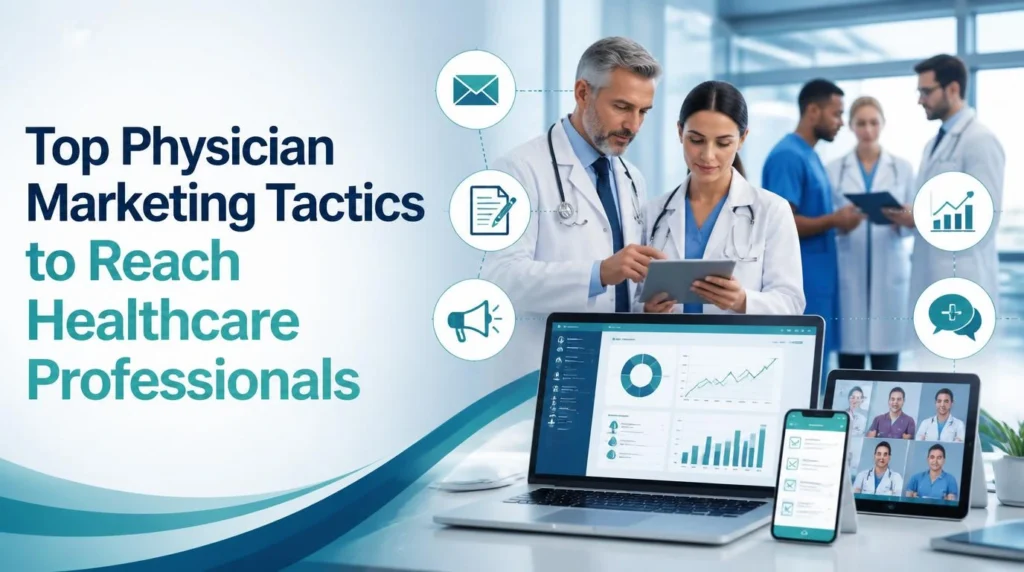
Reaching physicians today requires more than a generic advertising push; it demands precision, relevance, and trust. Marketers who rely on outdated tactics or scattershot outreach often struggle to get a response, while those who understand the physician mindset consistently see stronger engagement. One of the most effective starting points remains well-curated Physician Email Lists, which allow marketers to connect directly with decision-makers in a way that feels personal rather than intrusive. This guide walks through the tactics that continue to deliver results in a crowded healthcare marketing landscape.
Understanding the Physician Audience
Physicians are busy, skeptical of marketing noise, and highly protective of their time. Unlike general consumers, healthcare professionals assess messages based on their clinical relevance and professional credibility. Before any campaign begins, it helps to understand how physicians consume information: they scan quickly, trust peer-reviewed data, and respond best to content that respects their expertise rather than talking down to them.
This audience also varies significantly by specialty, practice setting, and career stage. A cardiologist in a large hospital system has different priorities than a solo family practitioner in a rural clinic. Effective marketing acknowledges these differences instead of treating “physicians” as a single homogenous group. Segmenting outreach by specialty, geography, and practice type is often the difference between a campaign that gets opened and one that gets deleted.
Building and Leveraging Physician Email Lists
Email remains one of the most direct and cost-effective channels for reaching healthcare professionals, provided the list behind it is accurate and well-maintained. A quality list should include verified contact details, specialty classifications, and practice affiliations, since outdated or mismatched data leads to poor deliverability and wasted spend.
Marketers building or purchasing these lists should prioritize sources that regularly validate their data against licensing boards, hospital directories, and professional associations. Fresh, segmented data allows for targeted campaigns that speak directly to a physician’s specialty and practice needs rather than sending the same message to every recipient.
Once a strong list is in place, the next step is crafting emails that respect the recipient’s time. Subject lines should be clear and specific, avoiding sensational language that reads as spam. Body copy should get to the point quickly, lead with value, and include a single, clear call to action. Physicians are far more likely to engage with an email that offers a concise clinical insight, a relevant continuing education opportunity, or a practical solution to a workflow problem than with one that reads as a generic sales pitch.
Frequency also matters. Bombarding physicians with daily messages erodes trust and increases unsubscribe rates. A measured cadence, paired with content that evolves based on engagement data, keeps the audience receptive over time.
Content Marketing for Healthcare Professionals
Physicians regularly engage with educational resources because ongoing learning is an essential part of maintaining their medical knowledge and clinical expertise. This makes content marketing a natural fit for reaching them, but only when the material meets a high bar for accuracy and depth.
Clinical case studies, evidence-based articles, and practical guides tend to perform well because they mirror the type of material physicians already read in professional journals. Content that cites credible research, presents balanced perspectives, and avoids overt promotional language earns more trust than content that reads like an advertisement in disguise.
Blog posts, white papers, and downloadable guides work particularly well when they address specific pain points, such as managing administrative burden, navigating reimbursement changes, or adopting new clinical technologies. Gated content, where a physician exchanges contact information for a valuable resource, can also help grow a marketing database organically, complementing any existing email list.
Video content is another growing avenue. Short explainer videos, product demonstrations, or physician testimonials can convey complex information quickly, which appeals to an audience with limited time. Keeping videos under a few minutes and focusing on a single, clear message tends to produce better engagement than longer, unfocused content.
Search Engine Optimization for Medical Practices and Brands
Physicians increasingly search online for clinical resources, product comparisons, and continuing education opportunities, making search visibility a critical piece of any outreach strategy. A well-optimized website or resource hub ensures that when a physician searches for a specific treatment approach, medical device, or industry update, the content they find is relevant and authoritative.
Keyword research should focus on the specific terminology physicians use rather than consumer-facing language. Search intent matters greatly here; a physician searching for “drug interaction guidelines” wants precise, technical information, not a simplified consumer article. Structuring content around these more specific, professional search terms helps attract the right audience organically.
Technical SEO fundamentals still apply: fast page load times, mobile responsiveness, clear site architecture, and secure browsing all contribute to both search rankings and user trust. Since physicians often research information between patient appointments, a slow or cluttered website can quickly lose their attention.
Building backlinks from reputable medical publications, professional associations, and academic institutions also strengthens domain authority. These backlinks signal to search engines that the content is credible, which in turn improves visibility among a professional audience actively searching for trustworthy information.
Social Media and Professional Networking Platforms
While physicians are generally more cautious on social media than the general public, platforms like LinkedIn have become valuable spaces for professional engagement. Physicians use these platforms to follow industry news, connect with colleagues, and discover new research or products relevant to their practice.
Sharing thought leadership content, such as commentary on recent clinical studies or emerging treatment protocols, tends to resonate more than direct promotional posts. Physicians are more likely to engage with content that positions a brand as a knowledgeable contributor to the field rather than a company simply trying to sell something.
Physician-only networks and forums also offer a more targeted, if smaller, audience. These closed communities allow for candid discussions among peers, and a presence here, when done respectfully and without overt selling, can build credibility over time. Sponsoring relevant discussions or providing genuinely useful resources within these communities often performs better than direct advertising.
Paid social campaigns can extend reach, but targeting must be precise. Broad healthcare-related targeting often wastes budget on non-physician audiences, so layering in professional criteria such as job title, specialty, or industry affiliation improves efficiency significantly.
Webinars, CME Programs, and Virtual Events
Continuing medical education remains a cornerstone of physician engagement. Physicians are required to complete ongoing education throughout their careers, which makes accredited webinars and virtual events a natural touchpoint for marketers in the healthcare space.
Hosting or sponsoring a CME-accredited webinar allows a brand to reach physicians in a setting where they are already primed to learn. These sessions work best when they focus on genuinely useful clinical content rather than a thinly veiled sales presentation. Physicians can tell the difference quickly, and a program that feels overly promotional risks damaging credibility rather than building it.
Promoting these events through segmented email outreach tends to drive stronger attendance than broad advertising, since the invitation can be tailored to the physician’s specialty and clinical interests. Following up with recorded sessions or supplementary resources after the event also extends its value and keeps the audience engaged over time.
Virtual conferences and panel discussions offer similar opportunities. Bringing together respected voices in a given specialty to discuss current challenges or innovations creates content that physicians actively want to attend, rather than content they feel obligated to sit through.
Direct Mail and Physician Mailing List Campaigns
Despite the dominance of digital channels, direct mail continues to hold a place in physician marketing, particularly for high-value announcements or product launches. A well-designed piece sent to a targeted, accurate physician mailing list can cut through digital clutter in a way that email sometimes cannot.
The key to effective direct mail lies in relevance and quality. Generic mailers sent to an unsegmented list are easily discarded, but a piece tailored to a specific specialty, addressing a specific clinical or practice-related need, is more likely to be read. Combining direct mail with digital follow-up, such as a personalized landing page or email sequence, creates a multi-channel experience that reinforces the message across touchpoints.
Print quality and design also matter more in this space than some marketers assume. Physicians associate polished, professional materials with credibility, while low-quality or overly promotional pieces can have the opposite effect. Investing in clear, well-organized layouts with concise, evidence-based messaging tends to yield better response rates.
Personalization and Segmentation Strategies
Across every channel, personalization consistently outperforms generic outreach. Physicians respond best to messaging that acknowledges their specific specialty, practice setting, and clinical interests. This requires marketers to invest in robust data segmentation, breaking audiences down by factors such as specialty, years in practice, geographic region, and prior engagement history.
Marketing automation platforms can help scale this personalization without sacrificing relevance. Dynamic content blocks, triggered email sequences based on behavior, and specialty-specific landing pages all allow a single campaign infrastructure to feel tailored to each recipient. A cardiologist and a pediatrician receiving the same core campaign should still see messaging that reflects their distinct clinical priorities.
Behavioral data, such as which articles a physician has read or which webinars they have attended, can further refine targeting over time. This creates a feedback loop where engagement informs future messaging, gradually building a more accurate picture of each physician’s interests and needs.
Compliance and Ethical Considerations
Healthcare marketing operates under a stricter regulatory environment than most other industries, and physician-focused campaigns are no exception. Any outreach involving pharmaceutical products, medical devices, or clinical claims must adhere to relevant advertising regulations and industry codes of conduct.
Transparency is essential. Claims about a product’s efficacy or safety should be backed by credible evidence, and promotional content should be clearly distinguished from educational material. Physicians are quick to lose trust in brands that blur this line, and regulatory bodies take a similarly firm stance.
Data privacy is another critical consideration. Any email list or contact database used for outreach should be compiled and maintained in accordance with applicable data protection regulations, with clear opt-out mechanisms provided in every communication. Respecting these boundaries not only keeps campaigns compliant but also protects the long-term reputation of the brand among a professional audience that values discretion and integrity.
Measuring the ROI of Physician Marketing Campaigns
No marketing strategy is complete without a clear framework for measuring success. For physician-focused campaigns, this often means looking beyond simple open rates or click-through rates to metrics that reflect genuine engagement and business impact.
Tracking metrics such as webinar attendance, content downloads, repeat website visits, and conversion to sales inquiries provides a more complete picture of how effectively a campaign is resonating with its audience. Attribution modeling, which traces a physician’s journey across multiple touchpoints, can help identify which channels and content types are driving the most meaningful engagement.
Regularly reviewing and refining campaigns based on this data ensures that marketing spend is directed toward the tactics delivering the strongest results. Given how quickly physician preferences and communication habits can shift, ongoing measurement and adjustment are essential to maintaining an effective long-term strategy.
Bringing It All Together
Successfully reaching healthcare professionals requires a blend of precision, relevance, and respect for their time and expertise. Email outreach built on accurate data, educational content that meets a high clinical bar, targeted social engagement, and thoughtfully designed direct mail can all work together to build sustained trust with this discerning audience. The brands that succeed are those that consistently prioritize value over volume, treating every touchpoint as an opportunity to inform rather than simply promote.
Conclusion
Physician Marketing Tactics to Reach Healthcare Professionals continue to evolve alongside changes in technology, regulation, and physician expectations, but the core principle remains constant: relevance and trust drive engagement far more than volume or aggressive promotion. Marketers who invest in accurate data, thoughtful segmentation, and genuinely useful content consistently see stronger, more sustainable results than those chasing quick wins through generic outreach.
As channels multiply, a coordinated, multi-touch approach works best, layering email, content, events, and direct mail into a cohesive experience. A well-maintained Physician Mailing List remains a valuable foundation for this strategy, supporting both digital and print outreach with accurate, targeted contact data. Combined with compliant, ethical practices, these tactics help brands build lasting credibility within the medical community.