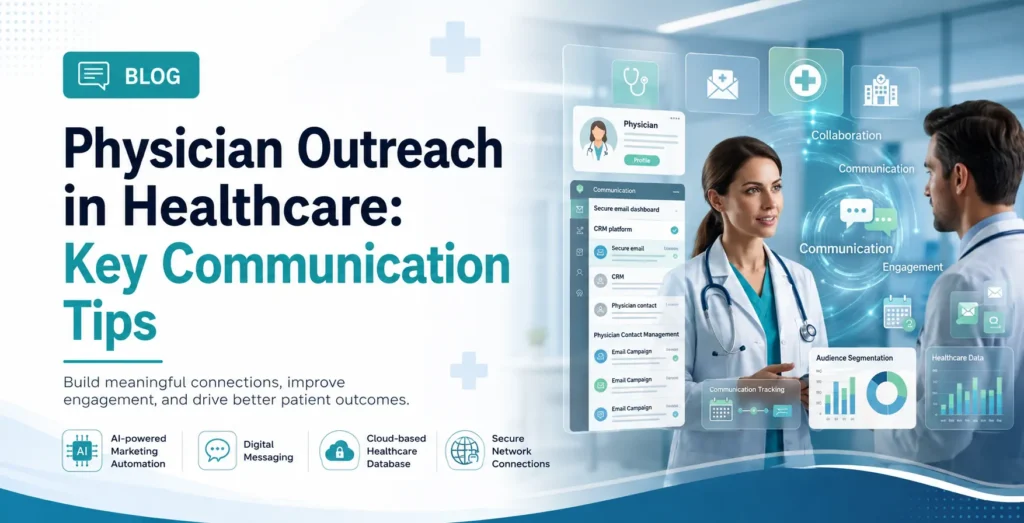
Physician Outreach in Healthcare depends on strategic communication that helps healthcare organizations, pharmaceutical companies, medical device manufacturers, healthcare technology providers, suppliers, and educational institutions engage physicians with timely and relevant information. By leveraging Physicians Email Lists, organizations can deliver personalized, professional, and value-focused messages that foster meaningful relationships, improve engagement, and support compliant communication with the right medical professionals.
As healthcare continues to evolve, organizations need communication strategies that are personalized, data-driven, and focused on providing meaningful value. Whether introducing innovative medical technologies, promoting educational opportunities, sharing research findings, or inviting physicians to industry events, effective outreach helps establish stronger professional relationships.
This article explores the key strategies for successful physician outreach, discusses communication best practices, explains the importance of audience segmentation, highlights modern digital tools, and outlines practical approaches that improve engagement while maintaining professionalism.
Understanding Physician Outreach in Healthcare
Physician outreach refers to the strategic process of building professional relationships with physicians through targeted communication. Healthcare organizations use outreach programs to provide physicians with educational resources, clinical updates, product information, event invitations, partnership opportunities, and other relevant communications.
Unlike broad marketing campaigns, physician outreach focuses on delivering highly relevant information based on a physician’s specialty, location, interests, practice type, and professional needs.
The primary objective is to create long-term engagement rather than short-term promotional success.
Why Physician Outreach Matters
Healthcare is an information-driven industry. Physicians regularly evaluate:
- New treatment options
- Emerging medical technologies
- Clinical research
- Continuing medical education (CME)
- Medical conferences
- Healthcare regulations
- Patient care innovations
Effective outreach helps ensure physicians receive timely and relevant information that supports informed decision-making.
Organizations that communicate thoughtfully are more likely to establish credibility and maintain productive professional relationships.
Benefits of Effective Physician Outreach
Well-planned physician outreach provides advantages for both healthcare organizations and medical professionals.
Better Information Delivery
Relevant communications reduce information overload and help physicians quickly identify content that aligns with their specialties and interests.
Stronger Professional Relationships
Consistent, valuable communication builds familiarity and trust over time.
Increased Educational Participation
Healthcare organizations can encourage greater participation in webinars, conferences, certification programs, and educational events.
Higher Engagement
Targeted outreach often generates stronger engagement than untargeted mass communications.
Improved Brand Awareness
Regular communication helps healthcare organizations remain visible among physician audiences.
Key Components of Successful Physician Communication
Several elements contribute to an effective outreach strategy.
Audience Understanding
Organizations should first understand who they want to reach.
This may include:
- Primary care physicians
- Cardiologists
- Oncologists
- Pediatricians
- Dermatologists
- Orthopedic surgeons
- Neurologists
- Emergency medicine physicians
- Hospitalists
Different specialties often have different informational priorities.
Accurate Contact Information
Communication is only effective when contact information is current and verified.
Organizations should regularly review their databases to reduce outdated records and improve deliverability.
Typical physician information includes:
- Name
- Specialty
- Practice location
- Hospital affiliation
- Email address
- Phone number
- Practice type
- Geographic region
Accurate data improves campaign efficiency.
Audience Segmentation
Segmentation helps deliver relevant content instead of generic messaging.
Common segmentation methods include:
Specialty
Messages should match physician expertise.
Geographic Region
Healthcare regulations and local events may vary by location.
Practice Size
Communication may differ for solo practices compared to large healthcare systems.
Professional Interests
While some physicians are primarily interested in educational materials, others may be more focused on the latest healthcare technologies and industry innovations.
Creating Relevant Content
High-quality, relevant content serves as the cornerstone of an effective physician outreach strategy.
Healthcare professionals appreciate information that helps improve knowledge or patient care.
Examples include:
- Clinical updates
- Medical research summaries
- Treatment innovations
- Industry reports
- Educational webinars
- Conference invitations
- Technology demonstrations
- Patient care resources
- Healthcare policy updates
Promotional messaging is most effective when it is thoughtfully combined with informative and educational content.
Developing a Multi-Channel Communication Strategy
Modern physician outreach extends beyond email alone.
Organizations often combine multiple communication channels.
Email Marketing
Email continues to be one of the most effective and widely adopted channels for professional communication across the healthcare industry.
Benefits include:
- Personalized messaging
- Educational newsletters
- Event invitations
- Product announcements
- Follow-up communication
Webinars
Virtual educational sessions allow physicians to learn without extensive travel.
Topics may include:
- Clinical innovations
- Technology demonstrations
- Research findings
- Continuing education
Professional Conferences
Industry conferences provide opportunities for:
- Face-to-face networking
- Product demonstrations
- Clinical discussions
- Partnership development
Educational Content Marketing
Publishing informative blogs, whitepapers, and downloadable guides helps organizations establish thought leadership.
Social Media
Professional social media platforms support ongoing engagement with healthcare audiences.
Organizations can share:
- Industry news
- Research updates
- Educational content
- Webinar announcements
Personalization Improves Communication
Personalization involves more than inserting a physician’s name into an email.
Effective personalization includes:
- Specialty-specific resources
- Local event invitations
- Relevant educational opportunities
- Customized recommendations
- Interest-based communication
Personalized outreach often leads to stronger engagement.
Timing Matters
Communication timing can significantly influence response rates.
Organizations should consider:
- Physician work schedules
- Time zones
- Conference seasons
- Holiday periods
- CME calendars
Avoiding excessive communication also helps prevent message fatigue.
Importance of Educational Value
Healthcare professionals often respond more positively to educational information than promotional messaging.
Educational outreach may include:
- Research summaries
- Clinical guidelines
- Expert interviews
- Case studies
- Medical innovations
- Regulatory updates
Providing value strengthens long-term relationships.
Data Quality Supports Better Outreach
Reliable physician data contributes to campaign success.
Organizations should regularly perform:
- Email verification
- Duplicate removal
- Contact updates
- Specialty verification
- Hospital affiliation updates
Maintaining clean databases improves communication accuracy.
Compliance Considerations
Healthcare outreach should always respect applicable privacy regulations and industry standards.
Organizations should:
- Obtain appropriate permissions where required
- Honor communication preferences
- Protect contact information
- Maintain secure data systems
- Follow applicable marketing regulations
Responsible communication helps maintain professional trust.
Leveraging Marketing Automation
Marketing automation helps simplify physician outreach by improving efficiency while delivering personalized communication experiences.
Automation supports:
- Welcome email sequences
- Event reminders
- Follow-up emails
- Educational campaigns
- Newsletter distribution
Automation should enhance—not replace—human-centered communication.
Measuring Outreach Success
Successful physician communication requires continuous evaluation.
Common performance indicators include:
Email Open Rates
Measure initial audience interest.
Click-Through Rates
Evaluate engagement with shared content.
Webinar Registrations
Track educational participation.
Event Attendance
Assess interest in conferences and seminars.
Content Downloads
Measure educational resource engagement.
Survey Responses
Gather physician feedback for future improvements.
Common Challenges in Physician Outreach
Organizations may encounter several obstacles.
Information Overload
Physicians receive numerous professional communications daily.
Relevant, concise messaging helps capture attention.
Outdated Contact Information
Healthcare professionals frequently change organizations or roles.
Routine database updates improve communication accuracy.
Limited Time
Physicians have demanding schedules.
Short, informative communications often perform better than lengthy promotional messages.
Diverse Preferences
Communication preferences vary among physicians.
Offering multiple channels increases accessibility.
Building Long-Term Relationships
Successful outreach focuses on relationship building rather than one-time campaigns.
Organizations can strengthen relationships by:
- Delivering consistent value
- Respecting communication preferences
- Sharing reliable information
- Providing educational opportunities
- Listening to physician feedback
Long-term engagement often produces better outcomes than isolated promotional efforts.
Best Practices for Physician Outreach
Organizations can improve communication by following several proven practices.
Understand Your Audience
Research physician specialties and professional interests before developing campaigns.
Segment Your Database
Deliver targeted information rather than broad messages.
Prioritize Educational Content
Offer valuable insights that support professional development.
Keep Messages Clear
Use concise language and organized formatting.
Maintain Accurate Data
Regularly verify physician information.
Personalize Communications
Tailor messaging based on specialty, location, and interests.
Measure Results
Track campaign metrics and continuously optimize outreach strategies.
Maintain Compliance
Follow applicable privacy and marketing regulations throughout every campaign.
Technology Is Transforming Physician Outreach
Modern digital technologies continue to improve healthcare communication.
Organizations increasingly use:
- Artificial intelligence
- Customer relationship management (CRM) platforms
- Predictive analytics
- Marketing automation
- Data visualization
- Engagement tracking
- Personalized recommendation engines
These tools help organizations better understand physician engagement while improving communication efficiency.
Future Trends in Physician Outreach
Healthcare communication continues to evolve alongside technological innovation.
Emerging trends include:
AI-Powered Personalization
Artificial intelligence can recommend content based on physician interests and engagement history.
Predictive Analytics
Organizations increasingly analyze communication patterns to improve future campaigns.
Interactive Educational Experiences
Virtual demonstrations and interactive webinars continue gaining popularity.
Omnichannel Communication
Organizations combine email, webinars, websites, social media, and mobile communication into integrated outreach strategies.
Greater Data Accuracy
Continuous database verification helps improve communication reliability.
Increased Focus on Value
Educational resources and clinical insights will remain central to physician engagement.
Practical Example of an Outreach Strategy
Consider a healthcare technology company introducing a new diagnostic platform.
Instead of sending the same message to every physician, the company could:
- Segment physicians by specialty.
- Create educational materials tailored to each specialty.
- Send personalized email invitations to webinars.
- Share downloadable clinical resources.
- Provide follow-up case studies after webinars.
- Invite interested physicians to product demonstrations.
- Measure engagement and refine future communication.
This structured approach increases relevance while supporting stronger professional relationships.
Conclusion
Physician Outreach in Healthcare remains a cornerstone of effective communication between healthcare organizations and medical professionals. A successful outreach strategy combines personalized messaging, audience segmentation, educational content, accurate data, and ethical marketing practices to deliver meaningful value. By leveraging digital communication channels, automation tools, and performance analytics, organizations can improve engagement while building long-term professional relationships. Consistently providing relevant information helps establish credibility, supports informed decision-making, and enhances collaboration across the healthcare industry. As communication technologies continue to evolve, organizations that focus on trust, compliance, and continuous improvement will be better equipped to achieve sustainable outreach success.
A reliable physician email list helps organizations connect with the right physicians through targeted, timely, and relevant communications. When combined with high-quality data management and strategic planning, these efforts can strengthen engagement, improve campaign performance, and support lasting success with a trusted Physicians Mailing List.