Skip to main content
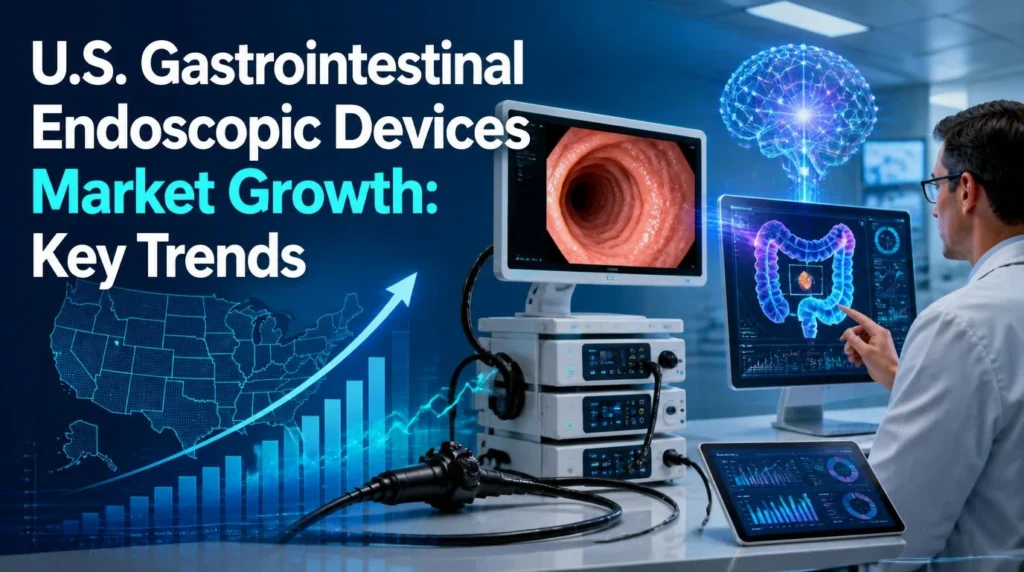
The Gastrointestinal Endoscopic Devices in the United States is shifting quickly, and so is the technology behind it. From routine colonoscopies to advanced capsule endoscopy, the devices used to diagnose and treat digestive conditions are becoming smarter, safer, and more accessible. Health organizations are increasingly relying on Geriatrician email lists to share updates on these innovations with professionals dedicated to the care of older adults. This article breaks down what’s driving the growth of the U.S. gastrointestinal endoscopic devices market and what everyday consumers should know about it.
Understanding Gastrointestinal Endoscopic Devices
Gastrointestinal endoscopic devices are medical instruments used to examine, diagnose, and sometimes treat conditions inside the digestive tract — including the esophagus, stomach, small intestine, colon, and rectum. These devices typically include flexible or rigid endoscopes, capsule endoscopes, biopsy forceps, snares, balloon dilators, and increasingly, robotic-assisted systems.
For most consumers, the most familiar version of this technology shows up during a colonoscopy or upper endoscopy (EGD), procedures that many people encounter starting in their 40s or 50s as part of routine screening. Over the past ten years, the tools supporting these procedures have undergone major improvements, thanks to innovations in imaging, compact device design, and enhanced infection control measures.
Endoscopic devices have evolved beyond serving only as diagnostic instruments. Many are now designed to support therapeutic interventions removing polyps, controlling bleeding, dilating strictures, or placing stents all without the need for open surgery. This shift toward minimally invasive care is one of the central themes shaping the entire market.
Why the U.S. Market Is Growing
Several converging factors are pushing growth in the U.S. gastrointestinal endoscopic devices market. Understanding these factors helps explain why more consumers are encountering this technology, why it’s improving, and why healthcare providers are investing heavily in newer systems.
1. Rising Prevalence of GI Disorders
Digestive diseases — including colorectal cancer, inflammatory bowel disease (IBD), gastroesophageal reflux disease (GERD), and peptic ulcers — remain widespread across the U.S. population. Lifestyle factors such as processed food consumption, sedentary behavior, and rising obesity rates continue to contribute to digestive health issues. As more people are diagnosed with or screened for these conditions, demand for endoscopic procedures — and the devices that make them possible — continues to climb.
2. An Aging Population
The U.S. population is aging steadily, and older adults are statistically more likely to develop conditions that require endoscopic evaluation, including colorectal cancer, diverticulosis, and various motility disorders. This demographic shift is a major growth driver for the market, since screening guidelines and clinical best practices place a strong emphasis on GI health monitoring for older patients.
This is also why professional communication channels aimed at specialists who treat older adults have become more relevant. Outreach efforts, including the use of a Geriatrician Mailing List by medical device companies and health education groups, help ensure that physicians who regularly manage elderly patients stay informed about updated screening tools, safer sedation protocols, and newer device options suited to older, often more fragile patients.
3. Increased Emphasis on Preventive Screening
Colorectal cancer screening guidelines in the U.S. have been updated in recent years to recommend earlier initial screening ages, which has expanded the pool of patients undergoing colonoscopies. Greater access to insurance benefits for preventive screenings has helped reduce out-of-pocket costs, motivating more people to schedule these procedures in a timely manner.
As screening volume rises, healthcare systems need more devices, more disposable components, and more advanced imaging capabilities to keep up with patient throughput — all of which supports market expansion.
4. Technological Innovation
Perhaps the most consumer-relevant driver is technology itself. Device manufacturers are continuously refining endoscopic systems to be safer, more comfortable, and more precise. This includes higher-definition imaging sensors, improved flexibility in scope design, and enhanced tools for detecting subtle abnormalities that older, lower-resolution devices might miss.
Key Trends Shaping the Market
Minimally Invasive and Single-Use Devices
One of the most significant trends is the shift toward single-use, disposable endoscopic devices. Traditional reusable endoscopes require rigorous sterilization between uses, which — despite strict protocols — has occasionally been linked to infection control concerns in healthcare settings. Disposable devices eliminate much of that risk by ensuring each patient receives a device that has never been used before.
For consumers, this trend translates into added peace of mind. Single-use scopes enable hospitals and outpatient clinics to reduce the potential for cross-contamination, offering patients increased peace of mind during routine screening examinations.
Artificial Intelligence and Advanced Imaging
Artificial intelligence is increasingly being integrated into endoscopic systems to help clinicians detect polyps, lesions, and other abnormalities more accurately. AI-assisted detection tools can highlight areas of concern in real time during a procedure, helping reduce the chance that a subtle abnormality is missed.
This matters to consumers because early detection is one of the most powerful tools in preventing conditions like colorectal cancer from progressing. A more attentive, AI-supported exam can mean catching a precancerous polyp years before it might otherwise be identified.
Alongside AI, imaging technology itself continues to improve. High-definition and narrow-band imaging techniques allow physicians to see finer details in the GI tract’s tissue structure, improving diagnostic accuracy without requiring additional invasive steps.
Capsule Endoscopy
Capsule endoscopy — where a patient swallows a small, pill-sized camera that captures images as it moves through the digestive tract — continues to gain traction as a non-invasive alternative for examining the small intestine, an area that’s difficult to reach with traditional endoscopes. This technology is especially valuable for patients who may have difficulty tolerating a traditional scope, including some older adults with complex health profiles.
Ongoing improvements in capsule endoscopy, including longer battery life, higher-resolution imaging, and stronger data transfer capabilities, are driving its wider use in everyday small-bowel assessments instead of only select diagnostic cases.
Robotic-Assisted Endoscopy
Robotic-assisted systems are beginning to make inroads into gastrointestinal procedures, offering clinicians greater precision and control during complex interventions. While still an emerging segment compared to more established laparoscopic robotic surgery, robotic-assisted endoscopy is expected to expand as the technology matures and becomes more cost-effective for healthcare facilities to adopt.
Sedation and Patient Comfort Innovations
Patient experience has become a growing focus area. Newer sedation protocols, combined with device designs that reduce discomfort during scope insertion, are helping make procedures more tolerable. This is particularly relevant for older patients or those with anxiety around medical procedures, since a more comfortable experience can reduce hesitancy to undergo recommended screenings.
Outpatient and Ambulatory Care Growth
More GI endoscopic procedures are shifting from hospital settings to ambulatory surgical centers (ASCs). This shift is driven by cost efficiency, shorter wait times, and convenience for patients. ASCs are investing in updated endoscopic equipment to accommodate this growing patient volume, which in turn supports continued device market growth.
Reimbursement and Insurance Policy Changes
Changes in reimbursement policies, including expanded coverage for preventive screenings under the Affordable Care Act and updated Medicare guidelines, have made GI procedures more financially accessible for a broader range of patients. As insurance coverage improves, procedure volumes rise, and device manufacturers respond with expanded product lines to meet demand.
Regional Insights Within the U.S.
Geographically, growth in the U.S. gastrointestinal endoscopic devices market is not evenly distributed. Metropolitan areas with dense concentrations of specialized GI clinics and hospital systems tend to adopt newer technologies faster, given greater access to capital and specialist expertise. Rural and underserved regions, meanwhile, are gradually catching up, often through outreach programs, telehealth-supported pre-procedure consultations, and mobile screening initiatives designed to bring GI care closer to patients who might otherwise face long travel distances.
Public health initiatives focused on colorectal cancer screening equity have also played a role in expanding access, particularly among populations that have historically been underscreened.
What This Means for Consumers
For everyday patients, the growth and evolution of this market translate into several tangible benefits:
- Safer procedures : Single-use devices and improved sterilization protocols reduce infection risk.
- More accurate results : AI-assisted detection and better imaging reduce the chance of missed diagnoses.
- More comfortable experiences : Sedation advances and refined scope designs make procedures more tolerable.
- Greater accessibility : Expanded insurance coverage and ambulatory care options make screenings easier to schedule and afford.
- Earlier detection : Improved technology supports catching conditions like colorectal cancer at earlier, more treatable stages.
Patients preparing for an upcoming endoscopic procedure may want to ask their physician about which type of device or technology will be used, whether AI-assisted detection is available, and what sedation options exist. These conversations can help set expectations and reduce anxiety around the procedure.
Challenges Facing the Market
Despite strong growth, the market isn’t without its challenges. High costs associated with advanced imaging systems and robotic-assisted platforms can limit adoption among smaller healthcare facilities. Additionally, training clinicians to effectively use new AI-assisted tools takes time and resources, which can slow the pace of widespread implementation.
There’s also the ongoing challenge of ensuring equitable access to newer technologies across different regions and patient populations, particularly for those in rural areas or with limited insurance coverage.
Supply chain considerations have become more prominent as well, especially for single-use devices that require consistent, reliable manufacturing and distribution to meet growing procedural volumes without shortages.
The Road Ahead
Looking forward, the U.S. gastrointestinal endoscopic devices market is expected to continue expanding as technology matures and becomes more cost-accessible. Continued integration of artificial intelligence, further refinement of capsule endoscopy, and broader adoption of single-use devices are all likely to shape the next phase of growth.
Healthcare providers, medical device manufacturers, and public health organizations will likely continue collaborating to expand screening access, improve early detection rates, and make procedures safer and more comfortable for patients across all age groups — particularly older adults, who represent a significant and growing portion of the patient population relying on these technologies.
Educational outreach will also remain an important piece of this puzzle. Keeping specialists informed — including through professional resources such as Geriatrician email lists — helps ensure that physicians treating older patients stay current on device innovations, updated screening recommendations, and best practices for procedural safety.
Conclusion
Gastrointestinal Endoscopic Devices are becoming safer, smarter, and more widely accessible across the United States, driven by an aging population, rising screening rates, and continuous technological innovation. From single-use scopes to AI-assisted imaging and capsule endoscopy, these advances are reshaping how digestive health conditions are diagnosed and treated, offering patients more comfortable and accurate experiences than ever before.
As adoption grows, professional outreach tools such as a Geriatrician email list continue helping ensure that clinicians treating older adults remain informed about the latest device options. Continued innovation, broader accessibility, and improved patient education together point toward a promising outlook for GI health screening and care across the country.