Skip to main content

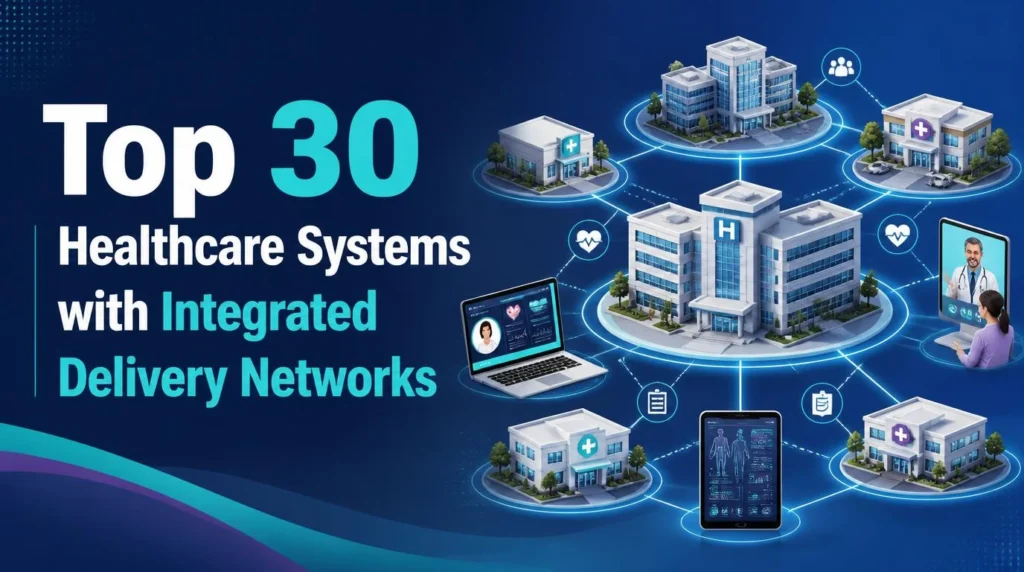
Integrated delivery networks (IDNs) play an important role in modern healthcare by connecting hospitals, physicians, clinics, outpatient facilities, and other services within coordinated healthcare systems. For healthcare organizations, understanding how these systems operate can provide useful insight into healthcare delivery, provider relationships, and organizational structures.
For organizations researching healthcare professionals, a Nurses Email List can also support outreach to nursing professionals working across hospitals, health systems, clinics, and other healthcare facilities.
What Is an Integrated Delivery Network?
An integrated delivery network is a healthcare organization or group of affiliated organizations that provides multiple healthcare services through a coordinated structure. Depending on the organization, an IDN may include hospitals, primary care practices, specialty clinics, urgent care centers, laboratories, pharmacies, rehabilitation facilities, home health services, and insurance operations.
The objective is generally to improve coordination across different stages of care. Instead of patients receiving services from completely disconnected organizations, an integrated system can provide multiple services through affiliated facilities and providers.
IDNs can differ considerably in size and organizational structure. Some operate primarily within one state or region, while others have facilities across several states.
Why Integrated Delivery Networks Matter
Healthcare systems have increasingly focused on coordination, efficiency, and continuity of care. Integrated networks can support these objectives by connecting different healthcare services under common leadership, technology platforms, clinical protocols, or business relationships.
For consumers, this can make it easier to access multiple types of care within the same healthcare ecosystem.
For healthcare professionals, integrated systems can create opportunities to work across hospitals, outpatient centers, specialty practices, and other facilities.
For healthcare companies, understanding the structure of major IDNs can help identify how healthcare decision-making and provider relationships are organized.
Top 30 Healthcare Systems With Integrated Delivery Networks
The following organizations represent prominent U.S. healthcare systems with characteristics associated with integrated healthcare delivery. They vary in geographic reach, size, ownership structure, and services.
1. Kaiser Permanente
Kaiser Permanente is one of the best-known examples of an integrated healthcare organization in the United States. Its model combines healthcare delivery with health insurance through Kaiser Foundation Health Plan and affiliated medical groups.
Its network includes hospitals, medical offices, physicians, and other healthcare services.
2. Mayo Clinic
Mayo Clinic is a major nonprofit healthcare organization recognized for its integrated approach to patient care, medical education, and research.
Its healthcare system includes hospitals, outpatient facilities, specialists, laboratories, and extensive clinical programs.
3. Cleveland Clinic
Cleveland Clinic operates a large network of hospitals and outpatient facilities and is widely recognized for specialty and complex care.
Its integrated structure connects physicians, hospitals, research programs, and outpatient services across multiple locations.
4. Intermountain Health
Intermountain Health operates hospitals, clinics, medical practices, and other healthcare services across several western U.S. states.
The organization emphasizes coordinated care and integrated healthcare delivery across its network.
5. HCA Healthcare
HCA Healthcare is one of the largest hospital operators in the United States. Its network includes numerous hospitals, surgery centers, emergency facilities, and other healthcare locations.
Because of its extensive facility network, HCA Healthcare represents a significant healthcare delivery organization.
6. CommonSpirit Health
CommonSpirit Health is a large nonprofit health system created through the combination of Catholic Health Initiatives and Dignity Health.
The organization operates hospitals, clinics, and other healthcare facilities across multiple states.
7. Providence
Providence is a large nonprofit healthcare organization with hospitals, clinics, physician practices, and other services.
Its integrated network spans several states and provides healthcare across primary, specialty, hospital, and community-based settings.
8. Ascension
Ascension is a major nonprofit Catholic healthcare organization operating hospitals, clinics, physician networks, and other healthcare services.
Its broad network provides care across numerous U.S. markets.
9. Advocate Health
Advocate Health is a large nonprofit healthcare system created through the combination of Advocate Aurora Health and Atrium Health.
The organization operates hospitals, clinics, physician practices, and other healthcare services across multiple states.
10. Trinity Health
Trinity Health is a large nonprofit Catholic healthcare organization with hospitals, medical groups, continuing care facilities, and other healthcare services.
Its network structure allows the organization to provide healthcare across multiple stages of the patient journey.
11. UPMC
UPMC is an integrated healthcare organization headquartered in Pittsburgh, Pennsylvania.
Its network includes hospitals, physician practices, outpatient locations, rehabilitation services, and an insurance operation, making it a prominent example of a diversified healthcare system.
12. Sutter Health
Sutter Health operates hospitals, medical foundations, physician networks, and other healthcare facilities, primarily in Northern California.
Its integrated structure connects primary care, specialty care, hospital services, and outpatient treatment.
13. Stanford Medicine
Stanford Medicine connects Stanford Health Care, Stanford Children’s Health, and Stanford University School of Medicine.
The organization combines patient care, research, and medical education while providing highly specialized healthcare services.
14. UCHealth
UCHealth is a major academic healthcare system serving Colorado and surrounding regions.
Its network includes hospitals, outpatient facilities, physician practices, and specialized healthcare programs.
15. Banner Health
Banner Health operates hospitals, clinics, urgent care centers, and other healthcare facilities across several western states.
Its network provides a broad range of services, including primary care, specialty care, emergency services, and hospital treatment.
16. AdventHealth
AdventHealth operates an extensive network of hospitals, outpatient facilities, physician practices, and other healthcare services.
The organization has a particularly strong presence in Florida and several other states.
17. Mass General Brigham
Mass General Brigham is a major integrated academic healthcare system in Massachusetts.
Its network includes hospitals, physician organizations, specialty centers, research institutions, and community-based services.
18. NewYork-Presbyterian
NewYork-Presbyterian is a major academic healthcare system associated with Columbia University Vagelos College of Physicians and Surgeons and Weill Cornell Medicine.
Its network includes hospitals, outpatient centers, physician practices, and specialized care programs.
19. Northwell Health
Northwell Health is one of the largest healthcare providers in New York.
Its network includes hospitals, medical practices, outpatient centers, urgent care facilities, and numerous specialty services.
20. NYU Langone Health
NYU Langone Health is an academic medical center and healthcare system serving the New York metropolitan area.
Its network includes hospitals, ambulatory facilities, physician practices, and specialty care centers.
21. Mount Sinai Health System
Mount Sinai Health System provides healthcare through hospitals, outpatient facilities, physician practices, and specialty programs.
The system combines clinical care with medical education and research.
22. Hackensack Meridian Health
Hackensack Meridian Health is a large healthcare system serving communities throughout New Jersey.
Its network includes hospitals, physician practices, urgent care centers, rehabilitation facilities, and other healthcare services.
23. RWJBarnabas Health
RWJBarnabas Health is one of New Jersey’s largest healthcare systems.
It operates hospitals, ambulatory facilities, medical groups, behavioral health services, and other healthcare programs.
24. Jefferson Health
Jefferson Health is a major academic healthcare organization serving the Greater Philadelphia region.
Its network encompasses hospitals, outpatient centers, physician practices, specialty programs, and medical education.
25. Penn Medicine
Penn Medicine is the clinical arm of the University of Pennsylvania’s academic medical enterprise.
Its network includes hospitals, outpatient locations, physician practices, research programs, and specialized medical services.
26. Johns Hopkins Medicine
Johns Hopkins Medicine combines clinical care, medical education, and research through a network of hospitals, physician practices, and healthcare facilities.
Its integrated structure supports both specialized and community-based healthcare services.
27. University of Michigan Health
University of Michigan Health is an academic healthcare system associated with the University of Michigan.
The organization provides primary, specialty, and complex medical care through hospitals, outpatient locations, and physician networks.
28. OhioHealth
OhioHealth is a nonprofit healthcare system serving communities throughout Ohio.
Its network includes hospitals, physician practices, urgent care facilities, outpatient centers, and other healthcare services.
29. Mercy
Mercy is a large Catholic healthcare organization serving communities across multiple states.
Its network includes hospitals, clinics, physician practices, urgent care centers, and specialty healthcare services.
30. CHRISTUS Health
CHRISTUS Health is a nonprofit Catholic healthcare system operating hospitals, clinics, physician networks, and other healthcare facilities.
The organization has a significant presence in several U.S. states and international markets.
Comparison of Major Integrated Healthcare Systems
The healthcare systems above differ in geography, ownership, facility size, and service mix. The table below provides a high-level comparison.
| Healthcare System | Primary Presence | Major Healthcare Services | Network Characteristics |
| Kaiser Permanente | Multiple U.S. states | Hospitals, physicians, health plans | Highly integrated |
| Mayo Clinic | Minnesota and other markets | Specialty, hospital, research | Academic and integrated |
| Cleveland Clinic | Ohio and multiple markets | Specialty and hospital care | Multistate network |
| Intermountain Health | Western U.S. | Hospitals, clinics, physicians | Regional integrated system |
| HCA Healthcare | Nationwide | Hospitals, surgery, emergency care | Large facility network |
| CommonSpirit Health | Multiple U.S. states | Hospitals, clinics, specialty care | Multistate nonprofit |
| Providence | Western U.S. | Hospitals, clinics, primary care | Regional integrated network |
| Ascension | Multiple U.S. states | Hospitals, clinics, specialty care | Large nonprofit network |
| Advocate Health | Midwest and Southeast | Hospitals, physicians, outpatient care | Multistate system |
| Trinity Health | Multiple U.S. states | Hospitals, clinics, continuing care | Large nonprofit network |
The table provides a general organizational overview rather than a ranking based on quality, performance, or patient outcomes.
How IDNs Are Changing Healthcare Delivery
Integrated healthcare networks continue to evolve as healthcare organizations respond to changing patient expectations, technology, reimbursement models, and workforce requirements.
Greater Coordination Between Providers
Patients often interact with several healthcare professionals during a single episode of care. Integrated systems can help connect primary care physicians, specialists, nurses, pharmacists, therapists, and other professionals.
Better coordination can help healthcare teams access relevant information and understand a patient’s broader care journey.
Expansion of Outpatient Care
Many healthcare systems are expanding outpatient services and ambulatory facilities.
These facilities can provide convenient alternatives for services that do not require an inpatient hospital stay. Integrated networks can connect outpatient locations with larger hospitals and specialty centers.
Growth of Digital Healthcare
Telehealth, patient portals, remote monitoring, and digital scheduling have become important components of modern healthcare.
Large healthcare systems can implement technology across multiple facilities, potentially creating a more consistent digital experience for patients and healthcare professionals.
Data-Driven Healthcare
Healthcare organizations increasingly rely on clinical and operational data to support decision-making.
Integrated systems can bring together information from different healthcare settings, potentially giving providers a broader view of patient care.
Focus on Preventive Care
Integrated healthcare models increasingly emphasize preventive services and early intervention.
Primary care providers, specialists, laboratories, and other professionals can work together to identify health risks and encourage patients to receive appropriate preventive services.
The Role of Healthcare Professionals in IDNs
Healthcare professionals are central to the operation of integrated delivery networks. Physicians, nurses, pharmacists, therapists, technicians, administrators, and other specialists work across different parts of the healthcare ecosystem.
Nurses, in particular, play an important role in coordinating patient care. Depending on their responsibilities, nurses may work in hospitals, outpatient centers, specialty clinics, rehabilitation facilities, community programs, or other healthcare environments.
Organizations conducting legitimate professional outreach may therefore study how nursing teams are distributed across different healthcare systems and facilities.
A well-maintained professional database can help organizations identify relevant audiences by factors such as specialty, job function, healthcare organization, geography, or facility type.
What Organizations Should Consider When Evaluating an IDN
Not every healthcare system has the same organizational structure. Before evaluating an IDN, organizations should consider several factors.
Geographic Coverage
Some systems are concentrated in a particular state or metropolitan area, while others operate across many states.
Understanding geographic coverage helps organizations determine whether a healthcare system aligns with their target market.
Facility Structure
An IDN may include hospitals, physician offices, outpatient centers, urgent care locations, laboratories, pharmacies, and other facilities.
The mix of facilities can provide insight into the organization’s overall healthcare delivery model.
Provider Network
The number and types of healthcare professionals associated with an organization can vary significantly.
Organizations interested in professional outreach should identify the specific provider groups relevant to their objectives.
Specialties
Large healthcare systems often employ or affiliate with professionals across dozens of medical specialties.
Segmenting audiences by specialty can make professional communication more relevant and focused.
Data Accuracy
When organizations use professional contact databases for legitimate B2B communication, data quality should be a major consideration.
Information should be reviewed and refreshed regularly, while organizations should also follow applicable privacy, email marketing, and data protection requirements.
How Healthcare Marketers Can Use IDN Insights
Understanding integrated delivery networks can be useful for healthcare marketers, recruiters, technology providers, pharmaceutical companies, medical equipment businesses, and healthcare service organizations.
Instead of viewing individual hospitals as isolated entities, marketers can analyze the broader healthcare system and understand its network structure.
For example, a healthcare technology company may want to understand which organizations operate multiple hospitals and outpatient facilities. A medical recruiter may research the distribution of particular healthcare professionals across an IDN. A healthcare service provider may identify organizations with facilities in specific geographic markets.
This system-level perspective can support more structured market research and audience segmentation.
Key Benefits of Understanding Integrated Healthcare Systems
Researching IDNs can provide several practical benefits:
- Better market segmentation: Organizations can categorize healthcare prospects by system, facility, specialty, or geography.
- Improved account research: Understanding parent organizations and affiliated facilities can provide greater context.
- More relevant outreach: Campaigns can be developed around specific professional or organizational audiences.
- Stronger healthcare market analysis: IDN structures can reveal relationships between hospitals, clinics, and providers.
- Efficient prospect identification: Organizations can prioritize healthcare systems that align with their products or services.
- Better strategic planning: Knowledge of healthcare networks can support territory planning and account-based marketing.
Conclusion
Integrated delivery networks have become an important part of the U.S. healthcare landscape. Organizations such as Kaiser Permanente, Mayo Clinic, Cleveland Clinic, HCA Healthcare, CommonSpirit Health, Providence, Ascension, UPMC, Northwell Health, and other major systems demonstrate the different ways healthcare services can be organized and coordinated.
For healthcare businesses, understanding these systems goes beyond simply identifying hospitals. It involves examining their facilities, provider networks, specialties, geographic coverage, and approach to coordinated care.
For organizations conducting professional B2B outreach, a reliable Nurses Mailing List can complement broader IDN research by helping identify relevant nursing professionals across healthcare organizations. However, contact information should be obtained and used responsibly, with attention to applicable privacy, consent, and email communication requirements.
Ultimately, studying integrated healthcare systems can help businesses, researchers, and healthcare professionals better understand the structure of the modern healthcare market and identify opportunities for more informed, relevant, and responsible engagement.