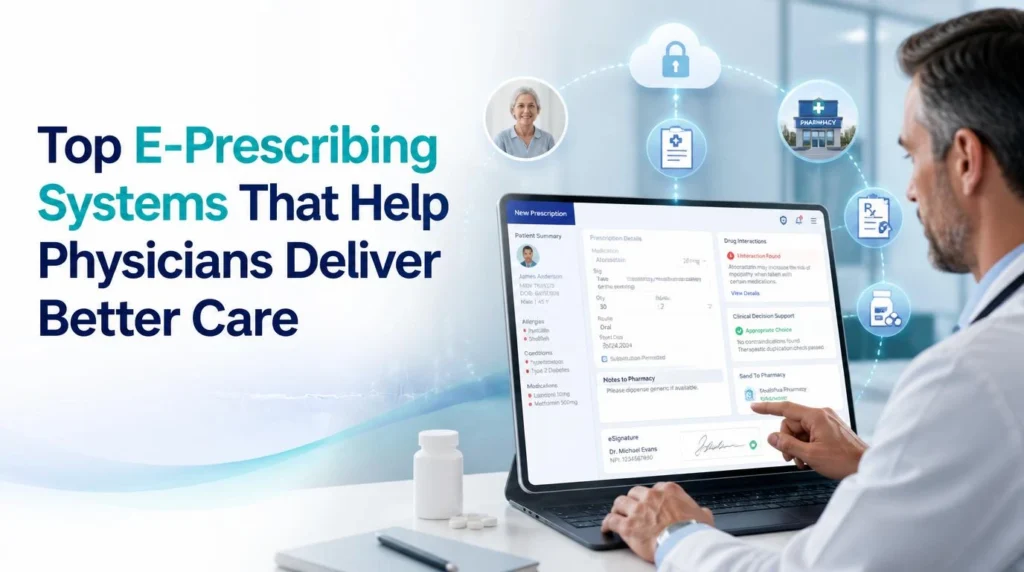
Modern healthcare increasingly depends on E-Prescribing Systems to improve the speed, accuracy, and security of medication management. The prescription process is one of the most critical stages of patient care, where even minor errors or communication gaps can affect treatment outcomes. By replacing handwritten prescriptions with secure electronic transmissions, e-prescribing enables physicians to send medication orders directly to pharmacies while supporting clinical checks for allergies, drug interactions, and dosage accuracy. Organizations that market healthcare technology solutions can also use Physicians Email Lists to reach medical professionals with relevant educational resources and product information.
This guide explores how e-prescribing technology works, the benefits it offers to physicians, patients, and healthcare organizations, and the essential features to evaluate when selecting a platform. It also reviews some of the leading e-prescribing solutions available today, helping medical practices understand how these systems streamline prescription workflows, enhance patient safety, reduce administrative burdens, and improve overall efficiency in medication management.
What Is E-Prescribing?
E-prescribing is the electronic generation, transmission, and filling of a medical prescription, replacing the traditional paper-based process. When a physician diagnoses a condition and determines a course of treatment, the e-prescribing system allows them to select the medication, dosage, and instructions directly within a software interface. That information is then sent securely to the patient’s preferred pharmacy, often before the patient has even left the exam room.
The technology typically integrates with a practice’s electronic health record (EHR) system, pulling patient history, known allergies, and current medications into view. This integration means the physician isn’t prescribing in a vacuum. The system can flag a potential drug interaction, alert the provider to a formulary restriction, or suggest a lower-cost alternative covered by the patient’s insurance. Many platforms also support electronic prescribing of controlled substances (EPCS), a federally regulated process that adds extra layers of identity verification for medications with higher abuse potential.
In short, e-prescribing isn’t just a digital version of a paper pad. It’s a connected system that pulls in clinical data, insurance information, and pharmacy networks to make the prescribing decision safer and more informed.
Why E-Prescribing Matters for Patient Care
The shift from paper to digital prescribing wasn’t just a matter of convenience. It addressed several long-standing patient safety concerns.
1. Fewer medication errors
Illegible handwriting has historically been a source of dispensing mistakes. A digitally entered prescription removes that risk entirely, and built-in checks catch dosage errors or duplicate therapies before they reach the pharmacy.
2. Faster turnaround
Because the prescription is transmitted instantly, patients often find their medication ready by the time they arrive at the pharmacy counter. This is especially valuable for time-sensitive treatments, such as antibiotics for an active infection.
3. Better medication adherence
Some e-prescribing systems include tools that track whether a patient picked up their prescription, and some can send refill reminders. This visibility helps physicians follow up with patients who may have skipped a dose or abandoned a treatment plan.
4. Reduced fraud and diversion
Controlled substance prescriptions transmitted electronically are harder to forge or alter than paper scripts, which supports efforts to curb prescription drug misuse.
5. Improved care coordination
When e-prescribing is tied into a broader EHR, every provider treating a patient can see the full medication list. This reduces the odds of two specialists unknowingly prescribing conflicting therapies.
6. Cost transparency
Many platforms show real-time pricing and formulary information at the point of prescribing, so physicians and patients can discuss more affordable options together, rather than discovering a high price tag at pickup.
Together, these benefits explain why e-prescribing has become close to universal across outpatient care in many regions, and why hospitals and clinics continue to invest in upgrading their systems.
Key Features to Look for in an E-Prescribing System
Not all e-prescribing platforms are built the same way. Practices evaluating a new system, or vendors trying to understand what physicians actually want, tend to focus on a similar set of features.
1. EHR integration
A system that operates as a separate silo creates extra clicks and duplicate data entry. The best e-prescribing tools plug directly into the practice’s existing EHR so patient history flows automatically into the prescribing workflow.
2. Drug interaction and allergy alerts
Real-time clinical decision support is one of the most valuable safety nets a system can offer. The system should identify potential drug interactions and allergy risks before transmitting the prescription to the pharmacy.
3. EPCS support
For practices prescribing controlled substances, the system needs to be certified for electronic prescribing of controlled substances and compliant with relevant state and federal identity-verification requirements.
4. Formulary and benefit checks
Systems that show insurance coverage and estimated out-of-pocket cost at the point of care help physicians and patients make more informed treatment decisions together.
5. Pharmacy network reach
A wide, well-maintained pharmacy directory ensures prescriptions reach the correct location the first time, without manual lookups or phone calls.
6. Mobile access
Physicians who round at hospitals, see patients across multiple locations, or work after hours benefit from systems with reliable mobile apps that mirror the desktop experience.
7. Renewal and refill management
Automated handling of refill requests from pharmacies saves administrative time and reduces the back-and-forth between office staff and pharmacy staff.
8. Patient medication history
Access to a patient’s full prescription history, including medications prescribed by other providers, helps prevent duplicate therapies and supports safer prescribing decisions.
9. Usability and training time
A system that requires excessive clicks or a steep learning curve can slow down a busy clinic. Intuitive design directly affects how quickly a practice can adopt the tool without disrupting patient flow.
10. Security and compliance
Because prescribing tools handle protected health information, HIPAA compliance, audit trails, and strong data encryption are non-negotiable requirements.
Weighing these features against a practice’s size, specialty, and patient volume usually narrows the field considerably.
Top E-Prescribing Systems Physicians Rely On
Below is an overview of some of the widely recognized e-prescribing platforms used across outpatient practices, hospitals, and specialty clinics.
1. Surescripts
Surescripts operates one of the largest e-prescribing networks in the country, connecting pharmacies, payers, and providers. Rather than functioning as a standalone prescribing tool for physicians, it acts as the connective network that many EHR-based e-prescribing modules rely on behind the scenes. Its scale gives physicians confidence that prescriptions will reach nearly any pharmacy a patient chooses.
2. DrFirst
DrFirst is a long-standing name in the e-prescribing space, known for its medication history tools and EPCS capabilities. Its platform focuses heavily on medication safety, offering alerts for interactions, adherence tracking, and integration options for practices of varying sizes.
3. DoseSpot
DoseSpot is frequently used by telehealth companies and smaller practices because it can be embedded directly into third-party health platforms. Its cloud-based design makes it a popular choice for digital-first care providers who need prescribing functionality without building it from scratch.
4. NewCrop
NewCrop offers a cloud-based e-prescribing solution designed to integrate with a range of EHR systems. It’s known for supporting specialty workflows and offering configurable alerts tailored to different practice types.
5. Epic (via EpicCare)
Epic’s EHR platform includes built-in e-prescribing functionality as part of its broader clinical suite. Because Epic is widely used in large hospital systems and health networks, its prescribing tools are tightly woven into a physician’s overall documentation and ordering workflow.
6. Oracle Health (formerly Cerner)
Oracle Health’s EHR platform includes e-prescribing as part of its clinical toolset, commonly used in hospital and health-system settings. Its prescribing module ties into the broader patient record, supporting coordinated care across departments.
7. athenahealth
athenahealth combines e-prescribing with practice management and billing tools, aiming to give smaller and mid-sized practices an all-in-one platform. Its prescribing module includes formulary checks and medication history review within the same interface physicians use for documentation.
8. RXNT
RXNT positions itself as an affordable, standalone e-prescribing option that can integrate with various EHR and practice management systems. It’s often chosen by independent practices looking for a dedicated prescribing tool without committing to a full enterprise EHR suite.
9. iPrescribe
iPrescribe is built specifically as a mobile-first prescribing app, appealing to physicians who need to prescribe on the go, such as hospitalists or providers covering multiple facilities. Its interface is designed around quick, secure prescribing from a smartphone.
10. ScriptSure
ScriptSure offers cloud-based e-prescribing with a focus on simplicity and speed, often used by practices that want a lighter-weight tool alongside their existing EHR. It supports EPCS and standard formulary checks while keeping the interface streamlined.
Each of these platforms approaches the same core problem, connecting physicians to pharmacies safely and efficiently, but they differ in integration depth, pricing structure, and the size of practice they’re best suited for. Reviewing a shortlist against a practice’s specific workflow, patient volume, and specialty needs is usually the most reliable way to choose.
How These Systems Improve Physician-Patient Communication
Beyond the mechanics of transmitting a prescription, e-prescribing systems change how physicians and patients interact during a visit. When cost and coverage information appears in real time, physicians can have a direct conversation about affordability instead of leaving the patient to discover a high copay later. When a system flags a potential interaction with a medication the patient is already taking, it opens a conversation about adherence and full disclosure of what the patient is currently using, including over-the-counter drugs or supplements.
Patients also benefit from fewer trips back to the office. If a pharmacist has a question about a prescription, many systems allow that communication to happen electronically between pharmacy and provider, without requiring the patient to relay messages back and forth. This reduces friction and keeps the patient focused on recovery rather than logistics.
For chronic condition management, refill tracking and adherence data give physicians a clearer picture of how a patient is actually managing their treatment between visits. A physician who can see that a patient hasn’t refilled a maintenance medication in two months has an opening to ask why, rather than assuming compliance based on the last conversation in the exam room.
Common Challenges When Adopting E-Prescribing
While the benefits are well documented, transitioning to or upgrading an e-prescribing system isn’t without friction.
Learning curve
Staff and physicians accustomed to a previous workflow may need time to adjust, particularly if the new system has a different interface or requires additional steps for EPCS verification.
Integration gaps
Not every EHR and e-prescribing tool communicate perfectly out of the box. Practices sometimes encounter data mapping issues, such as medication names or dosing formats that don’t align cleanly between systems.
Alert fatigue
Systems that generate too many low-value interaction warnings can lead physicians to click through alerts without fully reading them, which undermines the safety benefit the feature was meant to provide.
Connectivity requirements
Because e-prescribing depends on internet connectivity, practices in areas with unreliable service may experience delays, particularly with mobile prescribing apps.
Cost considerations
Standalone systems, integration fees, and per-provider licensing can add up, particularly for smaller independent practices weighing the return on investment.
Most of these challenges are manageable with proper training, a realistic implementation timeline, and ongoing feedback from the physicians actually using the system day to day.
Tips for Choosing the Right System
Practices evaluating e-prescribing options generally do well to start with a clear list of must-have features based on their specialty and patient population. A pediatric practice, for example, will prioritize weight-based dosing calculations, while a pain management clinic will weigh EPCS reliability and controlled substance monitoring more heavily.
Requesting a live demo with real workflow scenarios, rather than a generic sales walkthrough, tends to surface usability issues before they become a problem post-implementation. It’s also worth asking vendors directly about their EHR integration partners, since a system that claims broad compatibility on paper doesn’t always perform smoothly in practice.
Finally, talking to peers in a similar specialty or practice size about their day-to-day experience with a given platform often provides more useful insight than marketing materials alone. Trial periods, where available, allow physicians to test the system’s speed and interface under real patient load before committing to a longer contract.
Conclusion
E-Prescribing Systems have become a cornerstone of modern medical practice, enabling physicians to enhance prescription accuracy, reduce medication-related errors, and simplify clinical workflows. By selecting a solution that integrates with electronic health records (EHRs), supports regulatory compliance, and provides real-time clinical decision support such as drug interaction and allergy alerts, healthcare providers can improve patient safety while delivering more efficient and coordinated care.
As digital prescribing continues to gain widespread adoption across healthcare specialties, medical practices can further strengthen professional engagement through effective communication and knowledge sharing. Leveraging a reliable Physicians Mailing List allows healthcare organizations and technology providers to connect with physicians, promote educational resources, and share updates on innovative prescribing solutions. Combining advanced e-prescribing technology with targeted outreach helps practices stay informed, improve operational efficiency, and support better patient outcomes well into the future.