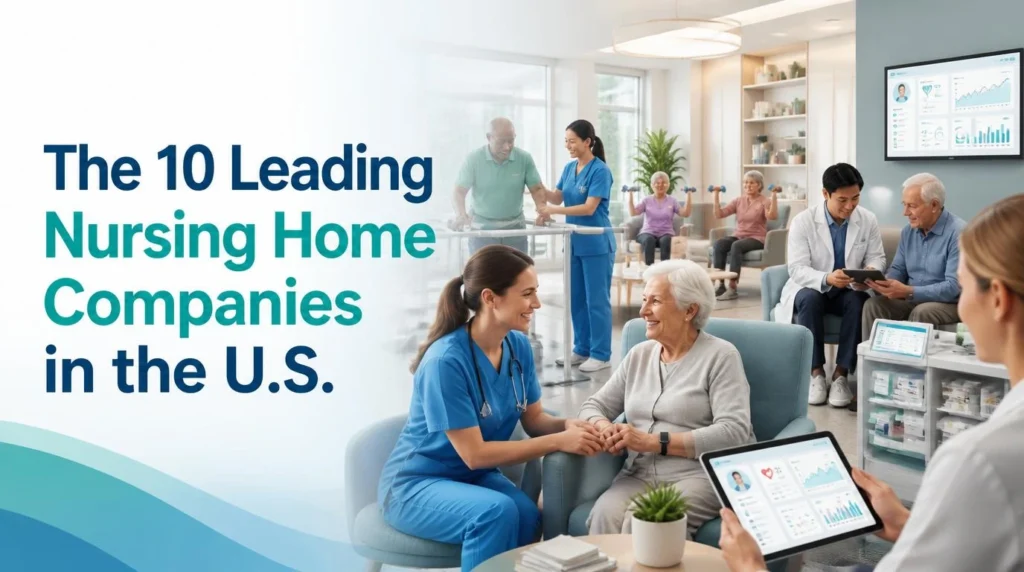
Leading nursing home companies play a vital role in meeting the growing demand for long-term care across the United States. Fueled by a rapidly aging population and an increasing need for skilled nursing and senior living services, the U.S. senior care industry has evolved into a multi-billion-dollar market that continues to expand each year.
Understanding who the major players are can help families, healthcare vendors, and business professionals connect with the right organizations, especially those relying on Nursing Homes Email Lists to reach decision-makers in this space. Whether you’re a caregiver researching options for a loved one or a business exploring partnerships within elder care, knowing the largest nursing home companies gives valuable context about the industry’s scale and structure. This guide breaks down the top ten companies, their services, and what sets them apart.
A Quick Look at the Nursing Home Industry Today
The U.S. nursing home sector is one of the most significant parts of the healthcare industry, contributing hundreds of billions of dollars in annual revenue while providing employment to more than 1.5 million professionals across the country. As the aging population continues to grow, with approximately one in six Americans now aged 65 or older, the need for skilled nursing, rehabilitation services, and long-term residential care has increased consistently and is projected to rise further in the coming years.
Despite this growth, the industry remains fragmented. Thousands of nursing homes operate across the country, and while a handful of large chains manage hundreds of facilities each, the majority of nursing homes are still owned by smaller regional or independent operators. The ten companies covered in this article represent the upper tier of the industry by facility count, revenue, or both, and understanding their structure offers a useful snapshot of how senior care is structured across the country.
It’s also worth noting that ownership structures vary considerably. Some of the largest operators are publicly traded corporations, others are privately held family businesses, and a few are nonprofit organizations with a specific community or faith-based mission. This mix of ownership models has a real impact on how each company approaches staffing, pricing, and resident care philosophy.
Why Nursing Home Companies Matter to Consumers
Choosing the right nursing home is a major decision that can greatly affect a family’s peace of mind. It affects not only the quality of daily life for a resident but also their access to medical care, social engagement, and long-term wellbeing. Large nursing home companies typically operate multiple facilities across several states, which means they often have more resources for staff training, medical equipment, and specialized care programs compared to smaller, independent operators.
At the same time, size doesn’t automatically mean better care. Some large companies have faced scrutiny over staffing ratios and quality of care, while smaller regional operators sometimes earn stronger reputations for personalized attention. That’s why it’s worth understanding the background of each major company before making a decision for yourself or a family member.
1. Genesis HealthCare
Headquartered in Pennsylvania, Genesis HealthCare is widely regarded as the largest nursing home company in the country by both facility count and revenue. The company operates several hundred skilled nursing centers and assisted living facilities spread across more than half of the United States. Genesis built its scale largely through an acquisition-driven growth strategy, absorbing smaller regional chains over the years to expand its national footprint.
Genesis offers a broad range of services, including short-term rehabilitation, long-term skilled nursing care, and specialized memory care programs. The company also operates rehabilitation therapy services in a large number of locations, making it a common name for families searching for post-hospital recovery care. Because of its size, Genesis is frequently referenced in industry reports and is a key contact point for vendors and healthcare service providers.
Beyond its clinical services, Genesis has invested heavily in centralized administrative systems that support its network of facilities, from billing and compliance to staff training programs. This infrastructure allows individual locations to focus more directly on resident care while corporate teams handle much of the regulatory and operational complexity that comes with running a large healthcare network. For families, this often translates into more standardized procedures and documentation across different Genesis-affiliated locations, which can make comparing facilities somewhat easier than with smaller, independently run homes.
2. The Ensign Group
The Ensign Group, based in California, ranks as one of the largest publicly traded nursing home operators in the U.S. Unlike some competitors, Ensign operates through a decentralized model, giving individual facility leaders more autonomy over daily operations while the parent company provides administrative and financial support.
This structure has helped Ensign maintain a reputation for consistent quality across its network, which spans well over a dozen states. The company offers skilled nursing, rehabilitation therapy, and assisted living services, along with home health and hospice care through affiliated brands. Ensign’s steady expansion in recent years has made it a significant player in conversations about the future direction of the nursing home industry.
One notable aspect of Ensign’s business model is its practice of separating real estate ownership from facility operations through a real estate investment trust structure. This financial approach has allowed the company to grow its portfolio while managing risk differently than many of its competitors. Industry analysts often point to Ensign as an example of how operational flexibility, paired with strong local leadership at each facility, can support both growth and quality outcomes simultaneously.
3. Life Care Centers of America
Life Care Centers of America, headquartered in Cleveland, Tennessee, is a privately held company known for its long-standing presence in the senior care industry. With facilities spread across dozens of states, Life Care has built a reputation around its mission to be the preferred choice within each community it serves.
The company provides skilled nursing, rehabilitation, respite care, and specialized Alzheimer’s and dementia care programs. Life Care emphasizes a combination of clinical expertise and personalized treatment plans, which has helped it maintain a strong presence in the industry for several decades. Its consistent ranking among the top facility operators reflects its focus on operational stability and community trust.
As a privately held company, Life Care has generally avoided the rapid ownership changes seen at some publicly traded chains, which many industry observers credit for the consistency of its care model over time. The company has also placed a notable emphasis on staff retention and internal training programs, aiming to reduce turnover among nursing staff, a factor that consumer advocacy groups frequently cite as important when evaluating any long-term care facility.
4. ProMedica Senior Care
ProMedica Senior Care, formerly known as HCR ManorCare, is one of the most recognizable names in the nursing home industry. The company operates skilled nursing facilities, memory care units, and rehabilitation centers throughout the country. ProMedica’s parent organization also has deep roots in the broader healthcare system, which allows it to integrate hospital-based care with long-term senior services more closely than many competitors.
This integration can be especially useful for patients transitioning from hospital stays into extended rehabilitation or long-term nursing care, since coordination between medical teams tends to be smoother. ProMedica’s scale and hospital connections make it a frequent subject of interest for healthcare vendors and marketing professionals working with Nursing Homes Email Lists to identify partnership opportunities.
5. The Evangelical Lutheran Good Samaritan Society
Known widely as the Good Samaritan Society, this organization operates as one of the largest not-for-profit providers of senior care in the United States. With a strong presence particularly in the Midwest and Great Plains regions, the Good Samaritan Society offers skilled nursing, assisted living, rehabilitation, and home-based care services.
As a faith-based nonprofit, the organization emphasizes community-oriented care and often serves smaller towns and rural areas that might otherwise have limited access to quality senior services. This mission-driven approach has helped the Good Samaritan Society maintain strong community relationships even as it has grown into a major national operator.
6. Consulate Health Care
Consulate Health Care specializes primarily in post-acute care, making it a significant option for patients who need short-term rehabilitation after surgery, illness, or injury. The company operates numerous facilities across several states, with a particular concentration in the southeastern United States.
Consulate’s service offerings include skilled nursing, physical and occupational therapy, and specialized wound care programs. The company’s focus on post-acute recovery has positioned it as a preferred option for hospitals looking to discharge patients into a structured rehabilitation environment before they return home or transition to long-term care.
7. Saber Healthcare Group
Saber Healthcare Group provides a wide range of senior care services, including skilled nursing, assisted living, and memory care. The company places a strong emphasis on rehabilitation therapies and has invested in modern equipment and technology to support recovery and quality of life for residents.
Saber operates primarily along the East Coast, with facilities concentrated in states such as Ohio, Pennsylvania, North Carolina, and Virginia. The company’s approach blends clinical care with a focus on creating a comfortable, home-like environment, which has helped it build a loyal base of residents and families over the years.
8. Sava SeniorCare
Sava SeniorCare has long been one of the more prominent names in the skilled nursing industry, operating facilities across multiple states with a focus on rehabilitation and long-term care. The company offers services ranging from short-term recovery programs to specialized care for residents with complex medical needs.
Like many large chains, Sava has navigated a changing regulatory and reimbursement landscape over the years, adjusting its facility count and operational strategy in response to shifts in Medicare and Medicaid policy. Despite these changes, the company remains a recognizable name within the industry.
9. Trilogy Health Services
Trilogy Health Services operates primarily in the Midwest, with a strong presence in states like Indiana, Ohio, and Kentucky. The company is known for its senior living campuses that combine independent living, assisted living, memory care, and skilled nursing services all within a single community.
This integrated campus model allows residents to transition between levels of care without having to relocate to an entirely different facility, which many families find appealing. Trilogy has built a reputation for investing in modern, well-designed facilities that aim to feel more like upscale residential communities than traditional nursing homes.
10. Signature HealthCARE
Rounding out the list, Signature HealthCARE operates a network of skilled nursing and rehabilitation facilities across the southeastern and central United States. The company describes its approach as a “culture change” model, emphasizing resident-centered care and employee engagement as key drivers of quality outcomes.
Signature HealthCARE offers services including long-term nursing care, short-term rehabilitation, and specialized memory care programs. The company has also been active in exploring alternative care models and partnerships aimed at improving efficiency and resident satisfaction across its network of facilities.
How These Companies Compare
While each of these companies operates on a large scale, their approaches to care differ significantly. Some, like Genesis HealthCare and The Ensign Group, have grown primarily through acquisitions and public market strategies, giving them broad national reach. Others, like the Good Samaritan Society and Trilogy Health Services, focus more on regional concentration and community-based models.
Nonprofit organizations tend to emphasize mission-driven care and community trust, while for-profit chains often highlight operational efficiency and specialized rehabilitation programs. For families evaluating options, it’s worth looking beyond company size and considering factors such as staffing ratios, state inspection reports, resident reviews, and the specific services offered at individual facilities rather than relying solely on brand recognition.
It’s also useful to consider how each company handles specialized care needs. Memory care, for instance, requires trained staff, secure environments, and structured daily routines, and not every large operator invests equally in these programs. Similarly, short-term rehabilitation services benefit from strong partnerships with local hospitals, something companies like ProMedica and Consulate Health Care have built into their core business models. Comparing these operational strengths against your specific care needs, rather than simply choosing the biggest or most well-known name, tends to produce better long-term outcomes for residents and their families.
Geographic concentration is another factor worth weighing. Companies like Trilogy Health Services and the Good Samaritan Society focus heavily on specific regions, which often allows them to build deeper relationships with local hospitals, physicians, and community organizations. National chains, on the other hand, may offer more consistency if a family anticipates needing to relocate a resident to a different state in the future, since transferring within the same corporate network can sometimes simplify that transition.
The Growing Role of Data and Outreach in Senior Care
As the nursing home industry continues to expand, businesses that serve this sector, including medical suppliers, staffing agencies, technology vendors, and insurance providers, increasingly rely on accurate contact data to reach the right decision-makers. This is where resources like Nursing Homes Email Lists become valuable tools for organizations looking to connect with administrators, directors of nursing, and procurement teams across these large operators.
Accurate and updated contact databases help vendors streamline their outreach efforts, reduce wasted marketing spend, and build relationships with facilities that match their specific product or service offerings. For companies entering the senior care market, having access to verified contact information across multiple nursing home chains can significantly shorten the sales cycle and improve overall marketing efficiency.
What Consumers Should Consider Beyond Company Size
For families researching nursing home options, it helps to remember that a company’s national ranking doesn’t necessarily reflect the quality of care at a specific location. Individual facilities within the same corporate chain can vary widely in staffing levels, resident satisfaction, and state inspection outcomes. It’s generally a good idea to:
- Review state health department inspection reports for the specific facility being considered
- Ask about staff-to-resident ratios during tours and consultations
- Speak directly with current residents’ families when possible
- Compare specialized care programs, such as memory care or rehabilitation services, against the needs of your loved one
- Look into ownership history, since frequent changes in ownership can sometimes affect continuity of care
Taking these steps alongside researching the parent company can lead to a more informed and confident decision.
It’s also worth scheduling visits at different times of day. A facility that looks well-staffed and calm during a scheduled morning tour may present a very different picture during evening hours or on weekends, when staffing levels are sometimes reduced. Speaking with residents directly, when possible, can also offer insight that official tours and marketing materials tend not to reveal. Many families find that a combination of official data, in-person observation, and conversations with current residents and their relatives provides the clearest overall picture of a facility’s day-to-day quality of care.
Understanding Nursing Home Costs
Cost is one of the biggest concerns for families evaluating nursing home options, and pricing can vary significantly depending on location, level of care, and whether a resident is paying privately or relying on Medicare, Medicaid, or long-term care insurance. Large national chains sometimes offer more transparent pricing structures simply because of the scale of their administrative operations, though this varies from company to company and even from facility to facility within the same chain.
Families should ask directly about what is included in a quoted daily or monthly rate. Some facilities bundle services like physical therapy, medication management, and social activities into a single price, while others charge separately for these services. Understanding these details upfront can prevent unexpected costs later and make it easier to compare options across different companies on this list.
It’s also helpful to ask about how often rates are reviewed and adjusted, since annual increases are common across the industry regardless of which company operates the facility. Some contracts include clauses that allow for rate changes tied to a resident’s changing care needs, so requesting a full breakdown of the fee structure in writing before signing any agreement is generally a wise step. Comparing this information across two or three facilities, even within the same company, can reveal meaningful differences in overall value.
Regulatory Oversight and Quality Ratings
Nursing homes in the United States are subject to oversight from both federal and state regulators. The Centers for Medicare and Medicaid Services maintains a public rating system that scores facilities on measures such as health inspections, staffing levels, and quality of care metrics. These ratings are a useful starting point for consumers, though they should be considered alongside more recent inspection reports and firsthand visits, since ratings can lag behind current conditions at a facility.
Large companies with facilities in many states must navigate a patchwork of differing state regulations, which can affect everything from staffing requirements to how complaints are investigated. This regulatory complexity is one reason many of the companies on this list maintain dedicated compliance teams to help ensure consistency across their networks.
Frequently Asked Questions
What makes a nursing home company “large”?
Size is typically measured by either the number of facilities operated, the number of licensed beds, or annual revenue. Some companies rank highly by one measure but not another, which is why different industry lists sometimes show slightly different rankings.
Are larger nursing home companies better than smaller ones?
Not necessarily. Larger companies often have more resources and standardized procedures, but quality of care ultimately depends on the specific facility, its staff, and local management, regardless of the parent company’s size.
How can I find contact information for nursing home administrators?
Many vendors and healthcare service providers use specialized databases to reach facility decision-makers efficiently, which is where curated resources become useful for business-to-business outreach in this sector.
Do these companies operate in every state?
No. Most of the companies listed here concentrate their facilities in specific regions rather than operating nationwide, so availability will vary depending on where you live.
Final Thoughts on Industry Trends
The nursing home industry in the United States continues to evolve, shaped by demographic shifts, regulatory changes, and evolving expectations around senior care. Larger companies bring resources and infrastructure, but the quality of care ultimately comes down to individual facility management, staffing, and culture. As the population of older adults continues to grow, these companies, and the industry as a whole, are likely to keep adapting their service models to meet increasingly diverse care needs.
Conclusion
Largest Nursing Home Companies in the United States, such as Genesis HealthCare, The Ensign Group, and Life Care Centers of America, continue to shape how millions of seniors receive long-term and rehabilitative care. Their scale, service range, and regional presence make them influential figures in the broader healthcare landscape, offering useful reference points for both families researching care options and professionals studying the industry’s structure.
For businesses aiming to connect with decision-makers across these organizations, a well-maintained Nursing Homes Mailing List can support more targeted outreach and stronger industry relationships, ultimately helping vendors and service providers engage more effectively with facility administrators and procurement teams nationwide as the sector continues expanding.